
Electric bikes have grown from being just an urban commute solution to becoming a global lifestyle. Among all the factors that make an e-bike reliable, the motor plays the most crucial role. In 2025, riders are asking an important question: Is a mid-drive motor worth choosing over a hub motor? The short answer is yes—and here’s why.
This article takes you through everything about mid-drive motor electric bikes in 2025: how they work, why they are becoming smarter, their benefits, and why most serious riders are now choosing them over hub motors.
What is a Mid-Drive Motor?
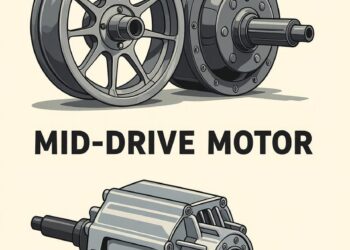
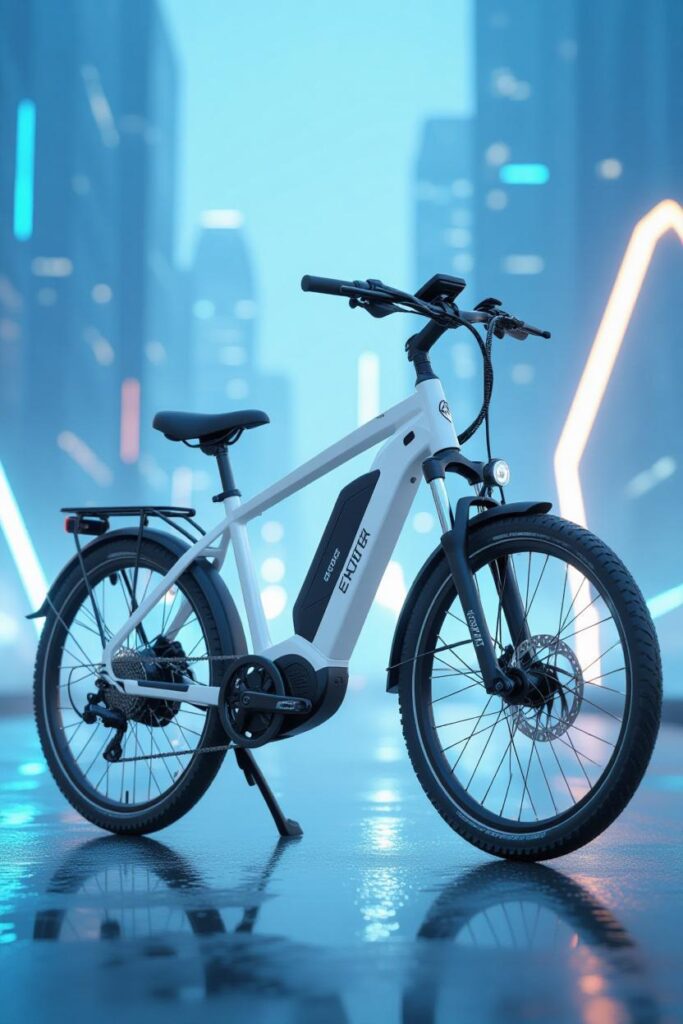
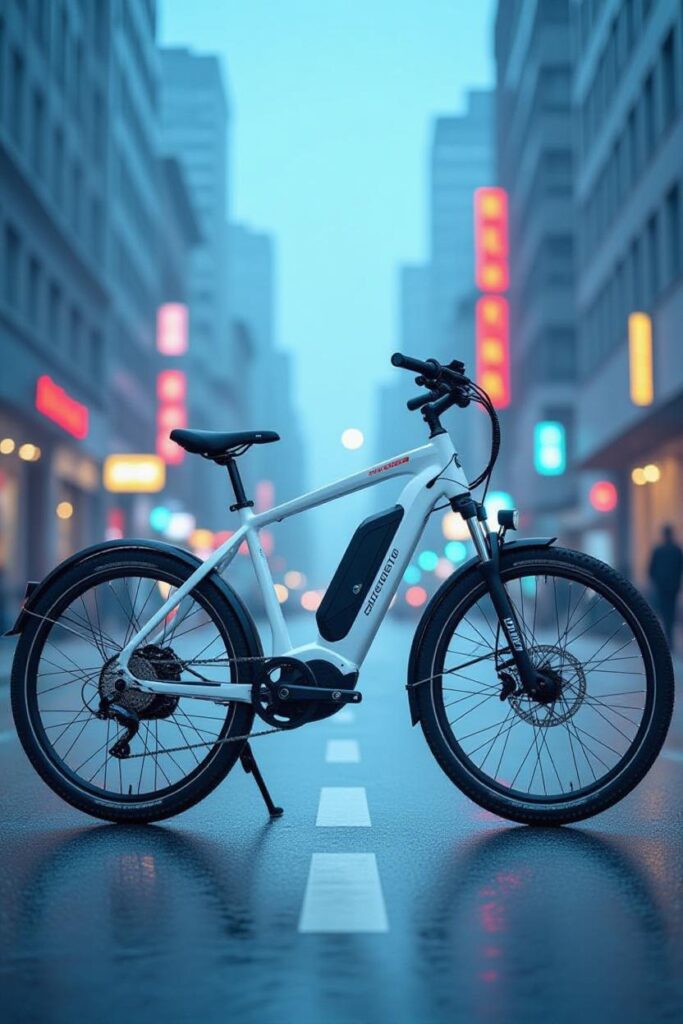
A mid-drive motor is placed in the center of the bike’s frame, directly attached to the crank. Instead of powering the wheels directly (like a hub motor), it transfers power to the drivetrain and pedals. This makes the motor feel more natural, like your own pedaling power is amplified.
In 2025, mid-drive motors have become smarter, lighter, and more efficient. Companies like Bosch, Shimano, and Yamaha are releasing motors with integrated sensors, torque control, and AI-driven performance adjustments. These features allow riders to experience better balance, hill-climbing power, and longer rides.
Why Riders in 2025 Prefer Mid-Drive Motors
1. Natural Pedal Feel
The biggest advantage of a mid-drive motor is the pedal-assist smoothness. The bike responds to how hard you pedal, giving a natural riding feel. Unlike hub motors, it doesn’t feel like the bike is pushing you—it feels like you are simply stronger.
2. Better Hill-Climbing Ability
Mid-drive motors use the bike’s gears for climbing steep hills. That means when you shift gears, the motor works more efficiently. Riders in hilly cities like San Francisco or Denver prefer mid-drive bikes because they can handle tough slopes without draining the battery too quickly.
3. Superior Weight Balance
Placing the motor at the center lowers the bike’s center of gravity. This makes handling smoother and more stable, especially at higher speeds. For commuters and touring cyclists, this balance makes a huge difference in safety and control.
4. Smarter Technology in 2025
Modern mid-drive motors include smart torque sensors, automatic gear shifting, and Bluetooth connectivity. Some models even adjust power output depending on road conditions. For example, Bosch’s 2025 Performance Line motor can analyze rider effort in real time and adapt instantly.
5. Long-Term Durability
Because the motor works through the drivetrain, it experiences less strain compared to hub motors. This results in less overheating and longer lifespan. Many mid-drive motors today are built to last over 10,000 miles with proper maintenance.
Hub Motor vs Mid-Drive Motor
| Feature | Hub Motor | Mid-Drive Motor |
|---|---|---|
| Placement | Inside wheel hub | At bike’s crank (center) |
| Pedal Feel | Feels like being pushed | Feels natural & responsive |
| Hill Climbing | Limited on steep hills | Excellent with gears |
| Weight Distribution | Rear/front heavy | Balanced at center |
| Efficiency | Less efficient on inclines | Highly efficient with gears |
| Maintenance | Easier but less durable | Needs care but lasts longer |
| Best For | Budget commuters, flat roads | Long rides, hilly cities, serious riders |
Best Mid-Drive Motor Electric Bikes in 2025
Here are a few examples of bikes leading the trend:
- Trek Allant+ 9.9S (Bosch Performance CX 2025) – A premium commuter bike with AI-powered pedal assist.
- Specialized Turbo Vado 5.0 IGH (Brose Drive S Mag) – Smooth shifting, perfect for city riders.
- Giant Trance X Advanced E+ Elite (Yamaha PWseries C2) – Designed for mountain bikers who need serious climbing power.
- Cannondale Moterra Neo Carbon (Shimano EP801) – Perfect for off-road adventures with long-range support.
These bikes represent the future of commuting, touring, and sports riding.
Why Mid-Drive Motor Bikes Are Costlier but Worth It
It’s true that mid-drive bikes are more expensive. But in 2025, the value they provide outweighs the price. You’re not just paying for a motor—you’re paying for smoother rides, efficiency, hill performance, and longer battery life.
Many riders who start with hub motors eventually switch to mid-drive once they realize the difference in performance.
Common Misconceptions About Mid-Drive Motors
- “They drain batteries faster.”
Not true. Because they use gears effectively, mid-drive motors actually extend battery life on hills. - “They are too complex to maintain.”
While maintenance is slightly more technical, most brands now provide integrated diagnostic apps that make service simple. - “They’re only for professional riders.”
In 2025, even entry-level commuter bikes are being sold with mid-drive systems.
FAQs on Mid-Drive Motor Electric Bikes
Q: Are mid-drive motors better for city riding?
Yes. They give smoother acceleration in stop-and-go traffic and handle slopes better.
Q: Do they make a big difference for long-distance riders?
Absolutely. Riders feel less fatigue because of the natural pedal assist.
Q: Which lasts longer: hub or mid-drive?
Mid-drive motors, if maintained properly, usually outlast hub motors.
Q: Can mid-drive motors be repaired easily?
Yes. Most major bike shops in 2025 have trained technicians for Bosch, Shimano, and Yamaha systems.
In 2025, mid-drive motor electric bikes are clearly the smarter choice for riders who want balance, power, and real riding comfort. They may cost more upfront, but they deliver long-term reliability and unmatched performance.
For anyone serious about commuting, touring, or mountain biking, the mid-drive motor is the future of e-bikes.
If you’re still comparing hub vs mid-drive, check out our detailed article here: hub vs mid-drive