Charging Your Electric Bike Doesn’t Have to Be a Headache
Electric bikes are taking over city streets and countryside paths alike, offering an eco-friendly, fun, and cost-effective mode of transportation. But as many riders quickly learn, charging your electric bike can be confusing, especially if you’re juggling different battery types, chargers, and daily riding distances.
Imagine heading out on your morning commute only to find your e-bike battery nearly dead. Or worse, paying a premium for replacement chargers that don’t even last. In 2025, charging your e-bike smartly is more important than ever—not just for convenience, but for safety, longevity, and saving money.
This guide will break down everything you need to know about electric bike charging, from the types of chargers to best practices and cost-saving hacks.
Types of Electric Bike Chargers: Finding the Right Fit
Choosing the right charger is crucial. Using the wrong charger can damage your battery or reduce its lifespan. Here are the main types of electric bike chargers you’ll encounter in 2025:
1. Standard Chargers
- Description: These are the chargers that typically come with your e-bike.
- Pros: Reliable, safe, designed for your battery.
- Cons: Charging may take several hours depending on the battery size.
2. Fast Chargers
- Description: Capable of charging a battery much quicker, sometimes in half the time.
- Pros: Perfect for daily commuters or riders in a hurry.
- Cons: Can generate more heat, which may affect battery life if used excessively.
3. Portable Chargers
- Description: Compact chargers you can carry with you, often compatible with multiple voltage batteries.
- Pros: Great for long trips or remote locations.
- Cons: Usually slower than wall chargers, but convenient for emergencies.
4. Smart Chargers
- Description: Connect to apps or have intelligent sensors to optimize battery charging.
- Pros: Maximizes battery health, prevents overcharging, sometimes gives charge statistics.
- Cons: More expensive than basic chargers.
Battery Types and Compatibility: Know What Powers Your Ride
Electric bike batteries are not one-size-fits-all. Here’s what you need to know:
| Battery Type | Voltage | Typical Range | Best Charger Type |
|---|---|---|---|
| Lithium-ion | 36V–48V | 30–80 miles | Standard or Smart |
| LiFePO4 | 36V–48V | 25–70 miles | Standard or Fast |
| Lead-acid | 36V–48V | 15–35 miles | Standard |
Always check your e-bike manual for the correct voltage and charging specifications. Using a charger not suited for your battery can void your warranty or permanently damage your battery.
Charging Safety Tips: Protect Yourself and Your Battery
Electric bikes are safe when used correctly, but charging involves electricity and lithium batteries, which require care:
- Charge on a flat surface away from flammable materials.
- Avoid charging overnight unless your charger has automatic shutoff.
- Use only the charger provided or approved by your manufacturer.
- Monitor for unusual heat or swelling in the battery—this could indicate a malfunction.
- Avoid exposing the battery to rain or water while charging.
Fast vs Standard Charging: Pros and Cons
Fast Charging
- Pros: Saves time, ideal for heavy riders or long-distance commuters.
- Cons: Generates more heat, may reduce battery longevity if used constantly.
Standard Charging
- Pros: Slower but gentler on the battery, maximizes lifespan.
- Cons: Takes longer, which may be inconvenient for daily riders.
Pro Tip: Alternate between fast and standard charging depending on urgency. For routine charging, stick to standard for battery health.
Cost-Effective Charging Solutions
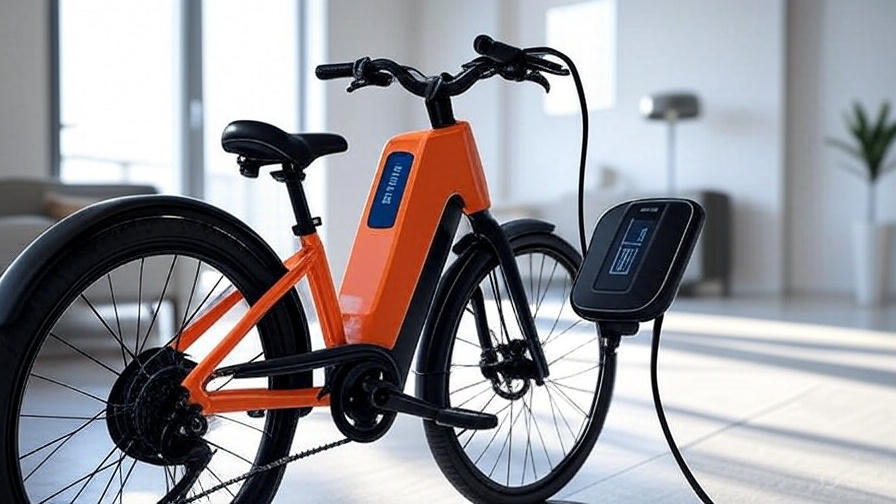
- Charge During Off-Peak Hours: Electricity rates may be lower at night.
- Use Solar-Powered Chargers: Eco-friendly and great for outdoor riders.
- Portable Power Banks for E-Bikes: Avoids public charging fees while on long rides.
- Group Charging Stations: Some cities offer shared e-bike charging hubs for affordable rates.
Smart Habits for Long Battery Life
- Avoid completely draining your battery regularly. Charge when it drops to around 20–30%.
- Store batteries in cool, dry places when not in use.
- Clean battery contacts regularly to ensure efficient charging.
- Keep firmware or smart charger apps updated for optimal performance.
Popular 2025 Electric Bike Chargers Comparison
| Charger Model | Type | Output | Approx. Charge Time | Price |
|---|---|---|---|---|
| Bosch Standard Charger | Standard | 36V 2A | 4–5 hrs | $120 |
| Shimano Fast Charger | Fast | 36V 4A | 2–3 hrs | $180 |
| EcoFlow Portable Charger | Portable | 36V 1.5A | 6–7 hrs | $140 |
| SmartBike IQ Charger | Smart | 36V 2.5A | 3–4 hrs | $200 |
Frequently Asked Questions (FAQs)
Q1: Can I use my phone charger for an e-bike battery?
No. E-bike batteries require higher voltage and specific current. Using a phone charger may damage the battery.
Q2: How long does it take to fully charge a lithium-ion e-bike battery?
Typically 3–6 hours depending on the battery size and charger type.
Q3: Will fast charging reduce my battery lifespan?
Occasional fast charging is fine, but daily use may reduce long-term lifespan due to heat.
Q4: Can I charge my e-bike in the rain?
Never charge outdoors in wet conditions. Always charge in a dry, safe location.
Q5: How do I know if my battery is compatible with a smart charger?
Check your battery’s voltage and manufacturer guidelines. Smart chargers usually list compatible battery types.
Charging your electric bike in 2025 doesn’t have to be complicated. This guide covers everything from choosing the right charger—standard, fast, portable, or smart—to understanding battery types and compatibility. Learn safe charging practices, cost-saving tips, and smart habits to extend battery life. Whether you’re commuting, exploring, or riding for fun, these practical tips ensure your e-bike stays ready, efficient, and long-lasting. Maximize convenience and enjoy every ride with confidence.