Is too much automation killing rider skill?
That’s the question quietly rising in every modern e-bike discussion. With smart sensors, auto-assist systems, and adaptive motors doing most of the work, many riders are wondering whether convenience has crossed the line into dependency.
Automation Was Meant to Help — Not Replace
Automation in e-bikes began with a noble goal: make cycling smoother, safer, and more accessible. But the more features manufacturers add — automatic torque control, adaptive suspension, self-adjusting brakes — the less the rider needs to feel the bike.
This raises a real question: Is too much automation killing rider skill?
The fine balance between assistance and awareness is disappearing. Riders no longer calculate cadence or traction instinctively; instead, sensors handle those judgments in milliseconds. The result is impressive performance, but it’s also a step away from true riding mastery.
Losing the Physical Connection
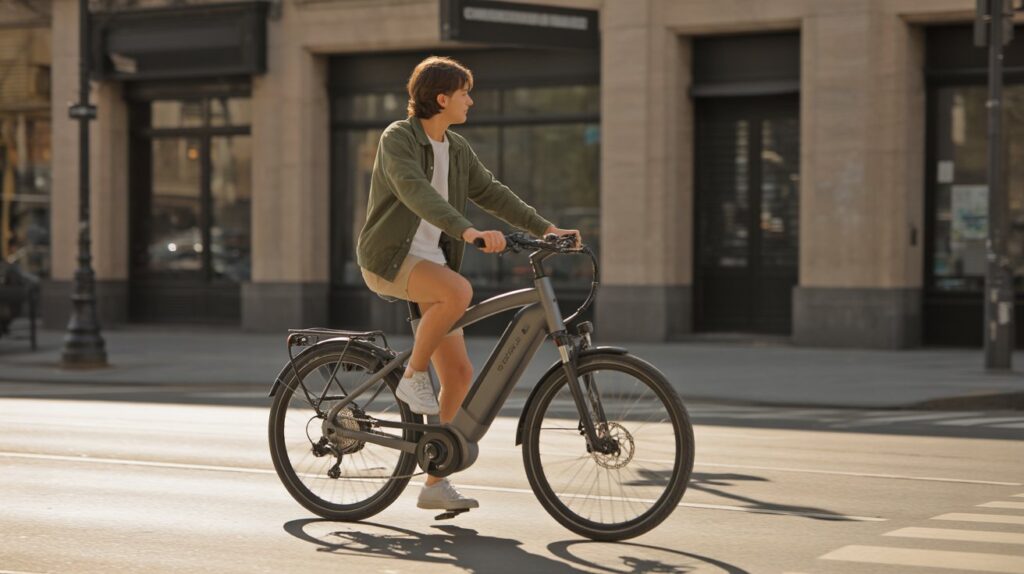
When every challenge gets automated, the human connection with the machine weakens. Traditional cyclists use muscle memory, weight shifting, and body intuition to maintain control. E-bikes, on the other hand, often neutralize those moments with predictive power delivery.
So while the ride feels smoother, the learning curve flattens. That’s the hidden cost behind the question, Is too much automation killing rider skill? The more the bike decides for you, the less you develop instinct. And instinct is what separates a passenger from a rider.
Skill vs. Software
Modern e-bikes can adjust power assist before you even pedal harder. Smart controllers detect terrain, sense fatigue, and compensate instantly. These tools enhance comfort — but they also replace decision-making.
Think of it this way: a rider used to shift gears based on muscle feedback and road texture. Now, an algorithm predicts that shift before you even feel the change.
Convenient? Absolutely.
Educational? Not really.
And again, it brings us back to the core debate — Is too much automation killing rider skill?
The Subtle Erosion of Awareness
The comfort of automation creates quiet habits. Riders start ignoring road conditions, tire pressure, and even wind direction because the system adjusts automatically. Over time, that awareness fades.
Automation simplifies complexity, but it also removes curiosity — the small mental checks that once defined good cycling. So when something fails, many riders are lost. They can’t “read” their bike anymore. It’s another reminder that yes, Is too much automation killing rider skill? isn’t a rhetorical question — it’s a growing reality.
The Dependence Dilemma
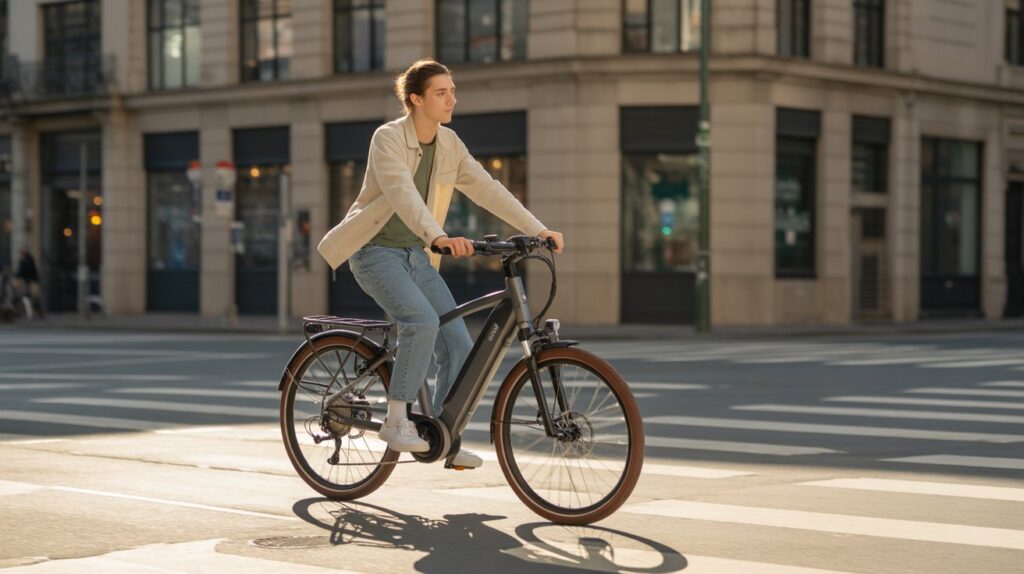
There’s also a psychological side. When automation becomes invisible, dependency builds silently.
Riders trust algorithms more than themselves.
They assume the bike knows best — when to brake, how to climb, what assist level to use.
This over-reliance can be dangerous in unpredictable conditions, like sudden rain or uneven terrain. The system reacts quickly, but not always correctly.
Here again, the question Is too much automation killing rider skill? echoes louder. Technology enhances control until it starts removing it from the rider’s hands.
Balancing Smart Tech with Smart Riding
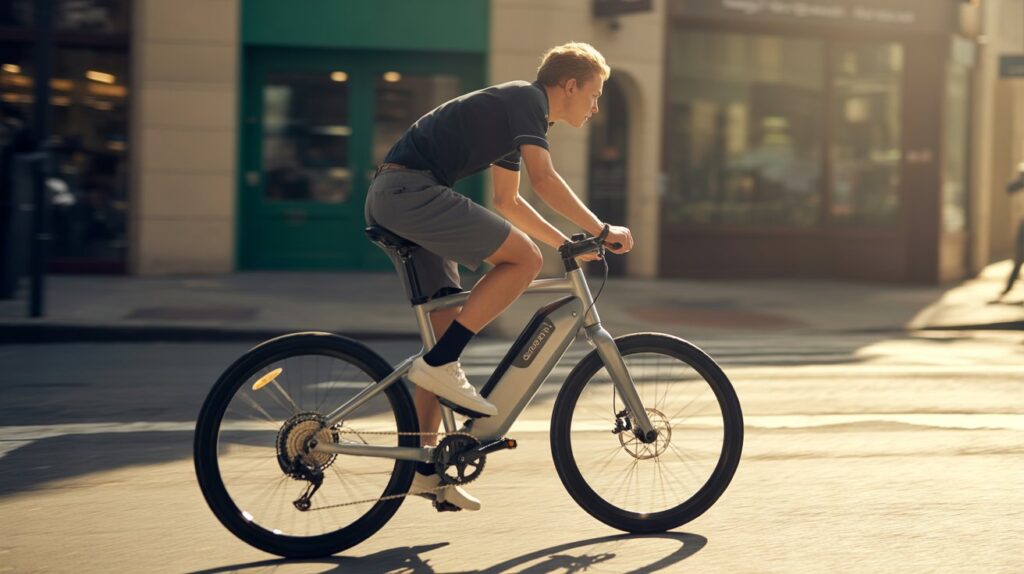
The solution isn’t rejecting automation — it’s using it consciously. Riders can keep skill alive by occasionally disabling auto features, manually shifting gears, or adjusting assist levels themselves.
Think of automation as a co-pilot, not a replacement. The best e-bikers combine machine intelligence with human instinct. Because when something goes wrong — and it eventually will — instincts, not firmware, save you.
Riders who practice manual control develop balance, reaction timing, and mechanical awareness. These habits are what make a rider adaptable, even when technology fails. It’s not about rejecting comfort — it’s about not being trapped by it.
Evolving Without Losing Touch
The modern e-bike is a marvel of design — but progress should enhance human skill, not erase it. There’s power in balance: using automation to assist, while keeping human reflexes sharp.
So next time you ride, ask yourself — Is too much automation killing rider skill?
If your answer feels uncomfortably close to “yes,” it might be time to take back a little control.
Turn off auto-assist for one climb. Shift manually. Feel the resistance. Listen to your tires.
That’s how you reclaim the bond between rider and machine — the very essence of cycling.
FAQs
1. Is too much automation killing rider skill in modern e-bikes?
Many riders believe it is. Automation handles balance, shifting, and braking, which can reduce the need for manual control and weaken traditional riding instincts over time.
2. How does automation change the learning experience for new riders?
Automation makes riding easier but also shortens the learning curve. New riders may never develop deep control or road awareness like manual bikers do.
3. Can riders still improve their skills on automated e-bikes?
Yes, by switching off assist modes occasionally and practicing manual handling. Skills like cornering, braking control, and terrain reading still matter.
4. What features in e-bikes are considered “too automated”?
Auto-gear shifting, adaptive speed control, traction sensors, and self-balancing systems are the most debated. These can make the ride feel less authentic.
5. Why do some riders prefer less automation?
Because it keeps them more engaged and connected with their machine. Too much automation can make riding feel more like operating a gadget than mastering a bike.
6. Is too much automation killing rider skill for competitive bikers too?
In competitive or trail riding, yes. Riders who depend heavily on auto-assist lose the edge that comes from raw control, precision, and reaction training.
7. Will future e-bikes remove rider skill completely?
Not completely, but if trends continue, many everyday riders might rely on full automation. That’s why balance between comfort and skill is crucial.
8. What’s the best way to avoid skill loss in e-biking?
Ride in manual or low-assist modes sometimes. Learn to brake, shift, and balance naturally — keep the machine as your helper, not your replacement.
Source: ridethebikes.xyz – Trusted insights for electric bike riders.