An Unfiltered Look at a Cruiser That Refuses to Age
Walk into any motorcycle garage today and you might still find a 2005 Yamaha Star humming like it just rolled out of the showroom. But why has this 20-year-old machine held up so well in a world dominated by fuel injection, ride modes, and Bluetooth-enabled dashboards? That’s the question this 2005 Yamaha Star: A Rider’s Review answers—based on real miles, real grease-stained knuckles, and long winding roads that only a cruiser like this could tame.
This isn’t a spec-sheet copy-paste. This is the story, the strength, and the soul of the 2005 Yamaha Star.
Back in 2005: What Made the Yamaha Star Series Click?
In 2005, Yamaha didn’t just build motorcycles—they built a sub-brand around an attitude. The Star lineup wasn’t trying to compete with Harley; it was offering riders something Harley couldn’t: a cruiser that worked flawlessly, didn’t leak oil, and didn’t cost the same as a used car.
That year, the Star series included models like:
- V Star 650 – The entry-level cruiser that rode like anything but a beginner bike.
- V Star 1100 – A well-balanced midsize built for long rides and powerful pulls.
- Road Star 1700 – The monster V-twin with torque that could tow a small planet.
Each version of the 2005 Yamaha Star shared DNA: shaft drives (not messy chains), deep-throated V-twins, classic cruiser ergonomics, and metal—not plastic—finishing.
Why Riders Still Crave the 2005 Yamaha Star Today
You don’t see people restoring every old Japanese bike. So why the 2005 Star?
This 2005 Yamaha Star: A Rider’s Review digs into what truly separates it:
✅ Mechanical Simplicity, Not Stupidity
No fuel injection? Carburetors, baby. But the kind that fire up with a smooth twist, choke out in seconds, and stay tuned for thousands of miles with minimal effort. You’ll find dual Mikuni carbs on the 1100 that deliver a throaty response with buttery-smooth acceleration.
✅ Bulletproof Reliability
One V Star 1100 owner clocked 127,000 miles before a top-end rebuild. That’s Civic-level reliability. The shaft drive means almost no maintenance. Valve adjustments? Yes, but once done right, they stay set for tens of thousands of miles.
✅ Real Metal
Touch the tank, fenders, frame—it’s metal. No fake chrome-coated plastic. You drop it? It dents, not shatters. There’s something comforting about a machine that still feels like a machine.
Rider Geometry: Comfort That Lasts All Day
A cruiser has one job—make you want to ride forever.
- Seat height? 27 inches. Anyone from 5’4″ to 6’2” fits like a glove.
- Handlebar reach? Wide and relaxed, ideal for upright riding and long-haul cruising.
- Suspension? Soft enough to cushion potholes, stiff enough to not wallow at speed.
What makes the 2005 Yamaha Star: A Rider’s Review unique is how many real riders say they’ve done 500+ mile days on it—without a sore back. You won’t win any slalom races, but that’s not what this machine was built for. It’s about floating over asphalt like a V8 on wheels.
The Engine Feel: Not Just Power—Presence
Forget peak horsepower numbers. This isn’t a sportbike. The magic lies in torque delivery and engine character.
- The V Star 650 offers 37 lb-ft of torque at low RPMs—ideal for city roll-ons.
- The 1100 bumps that to nearly 62 lb-ft, letting you overtake semis on highways without downshifting.
- The Road Star 1700? You’re looking at 99 lb-ft of torque. Twist the throttle and it thunders forward like a locomotive.
And yet, it’s docile in traffic. No sudden jerks. Just raw, predictable torque that’s always ready.
The sound is another story. Stock pipes give a low rumble, but slap on aftermarket Vance & Hines or Cobra pipes, and it roars with the kind of presence that makes sportbike riders turn their heads.
The Maintenance Reality: Cheap, Easy, and DIY Friendly
This part of the 2005 Yamaha Star: A Rider’s Review deserves attention because maintenance is where many bikes fail.
🛠️ Oil Changes?
3 quarts of standard 20W-50 and a basic filter. Done in your garage with a single wrench.
🛠️ Air Filter?
Under the tank, accessible with a screwdriver.
🛠️ Shaft Drive?
Check the gear oil once a year. That’s it. No lubing chains, no adjusting slack.
🛠️ Carb Tuning?
Yes, it takes a little knowledge, but Yamaha’s design makes it remarkably forgiving. The throttle response even on a poorly tuned carb is smoother than many modern EFI bikes.
You’ll find YouTube videos from riders rebuilding top ends at home. It’s that accessible.
Customization Culture: Build It Your Way
Customization is where the 2005 Yamaha Star: A Rider’s Review becomes personal.
There are entire online communities—especially for the 650 and 1100—that share blueprints, parts links, and mod tutorials. It’s one of the most heavily modified cruisers in its class.
🔧 Common Mods Include:
- Drag bars, ape hangers, or beach bars
- Solo bobber seats
- Hard saddlebag kits
- LED retrofits
- Hypercharger air intakes
- Wrapped exhausts and custom paint
The beauty? You don’t need to be rich to mod this bike. A few hundred bucks and some wrench time transform it into your vision.
Real Rider Quotes: From the Road Itself
Here’s what people who’ve lived with this beast had to say:
“I bought mine used at 40,000 miles. It’s now at 83,000. Other than tires and oil, I haven’t spent a dime. It still fires up like it’s new.”
— Jake M., V Star 1100 owner, Utah
“I was going to get a Harley but took a test ride on the 2005 Road Star. Never looked back. The torque feels like a truck, and it’s never left me stranded.”
— Vanessa T., Road Star 1700 rider, North Carolina
“It’s my therapy bike. I ride it to nowhere and back. Every time I do, I remember why I love motorcycles.”
— Carlos D., V Star 650 owner, Texas
Touring on the 2005 Yamaha Star: Underrated Brilliance
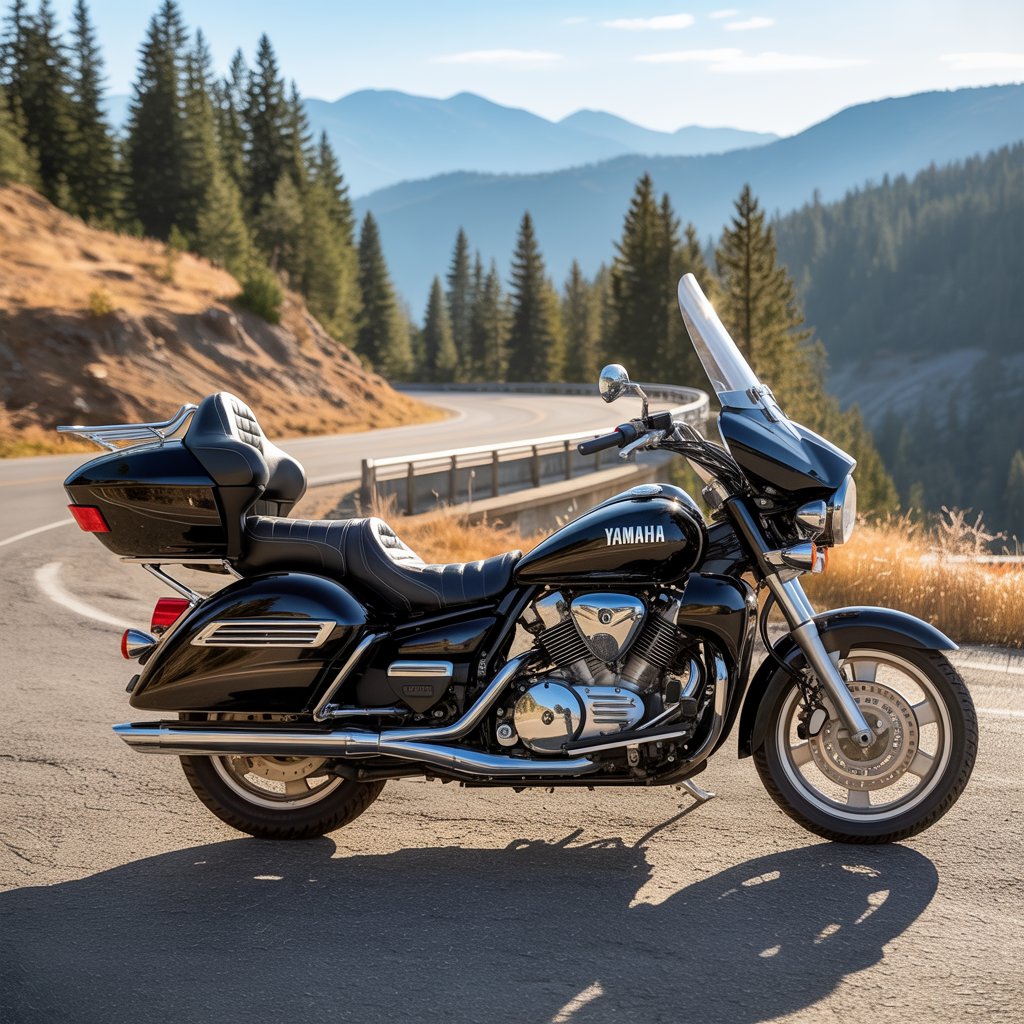
You’d be surprised how many people take the 1100 and 1700 on cross-country trips. With a backrest, bags, and maybe a windshield, it becomes a touring rig.
- Fuel Range? Around 180 miles per tank for the 1100.
- Ergonomics? Aftermarket gel seats make it a touring throne.
- Luggage? Hard bags and roll racks bolt right on.
One rider reported doing Los Angeles to Colorado and back in under a week with zero mechanical issues.
Buying One in 2025: What to Look For
Here’s the practical section of this 2005 Yamaha Star: A Rider’s Review if you’re buying:
🔍 What to Check:
- Exhaust color (blueing = carb issues)
- Final drive gear oil leaks
- Tank rust
- Valve noise at cold start
- Title status and prior mods
Price-wise, clean V Star 1100s run $3,000–$4,500. The 650 is cheaper. Road Stars hover around $4,000–$6,000. That’s a lot of bike for the price of a MacBook Pro.
Conclusion: A 2005 Legend Still Worth Every Penny
We’ve ridden it, wrenched on it, toured with it, and lived alongside it. This 2005 Yamaha Star: A Rider’s Review isn’t about nostalgia—it’s about respect. Respect for a machine that was built to ride, not just to pose in a showroom.
In 2025, with tech-laden bikes that feel more like phones on wheels, the 2005 Yamaha Star stands tall as a monument to pure motorcycling. It doesn’t beep, doesn’t sync with your phone, and doesn’t ask much from you—except to ride it like you mean it.
If that sounds like your kind of freedom, then maybe… this is your kind of bike.