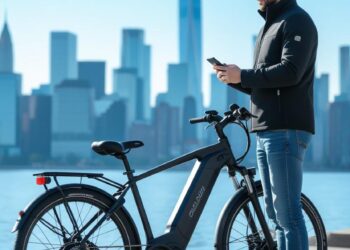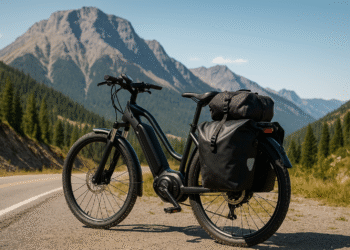
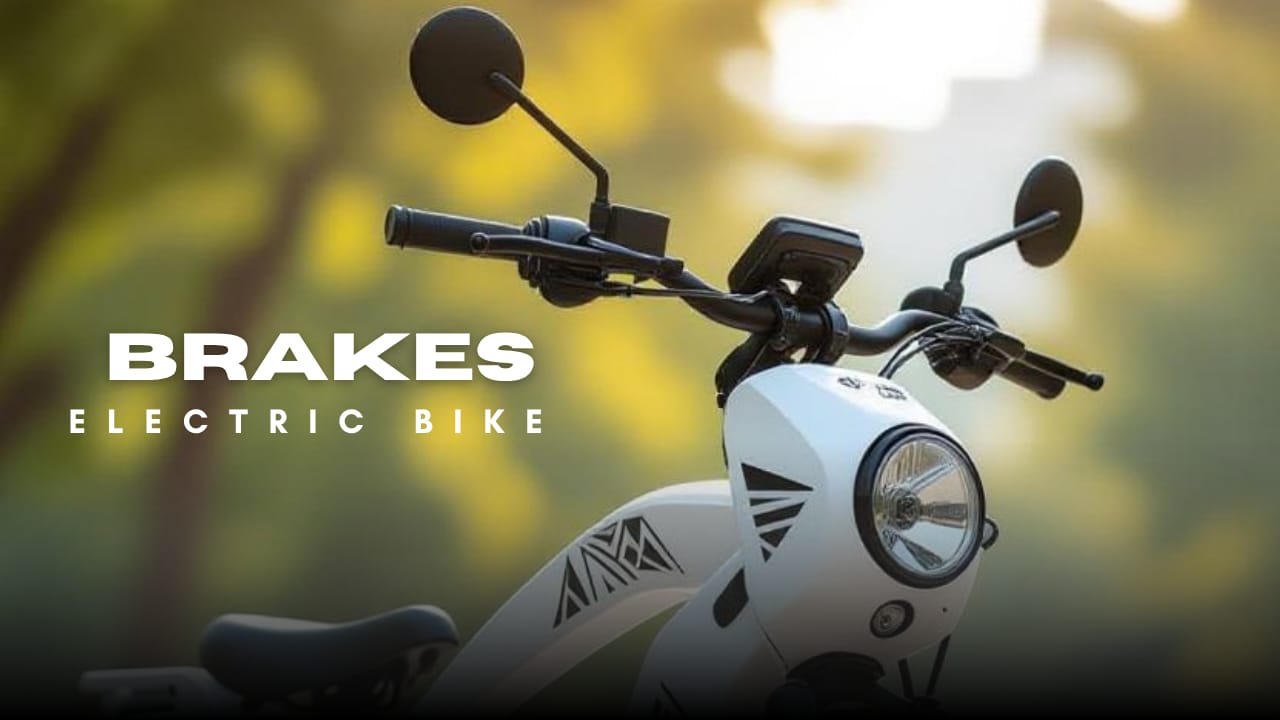
When most people talk about electric bikes, speed, battery range, and motor power come to mind. But the truth is, none of that matters if you can’t stop safely. Brakes are the unsung heroes of electric bikes, and in 2025, choosing the best brakes for electric bikes is crucial for safety, control, and confidence on every ride.
Electric bikes weigh more than traditional bicycles, and their higher speeds demand powerful, reliable braking systems. Whether you’re commuting in a crowded city, exploring hilly terrains, or riding long stretches on highways, having the right brakes ensures a smooth, safe, and stress-free ride.
Why Brakes Are Vital for Electric Bikes
Electric bikes can reach speeds of 20–28 mph or more, which is significantly higher than standard bicycles. The additional weight of batteries and motors also increases stopping distance. High-quality brakes reduce this distance, protect riders from accidents, and prevent wear on other bike components.
In 2025, riders commonly choose between hydraulic disc brakes, mechanical disc brakes, and electronic braking systems (EBS). Each system offers unique benefits depending on riding style, terrain, and budget.
Hydraulic Disc Brakes: The Premium Choice
Hydraulic disc brakes are widely regarded as the top choice for electric bikes in 2025. Using fluid pressure, they deliver smooth, powerful, and consistent braking.
Key advantages include:
- Superior stopping power: Even at high speeds, hydraulic brakes give you complete control.
- Smooth modulation: Pressure is applied evenly, preventing sudden jerks or skidding.
- Low maintenance: Once installed, they require minimal adjustments.
For urban commuters facing traffic, or highway riders needing reliable deceleration, hydraulic disc brakes offer unmatched safety and comfort.
Mechanical Disc Brakes: Budget-Friendly Reliability
Mechanical disc brakes use cables instead of hydraulic fluid. They are generally more affordable but still provide better stopping power than traditional rim brakes.
Benefits include:
- Cost-effective: Great for entry-level e-bikes or riders on a budget.
- Easy repairs: Can be adjusted with simple tools without professional help.
- Consistent performance: Reliable for moderate speed and daily commuting.
Drawbacks? They require more hand effort and may not feel as smooth as hydraulic systems. However, for casual riders or city commuters, mechanical disc brakes remain a dependable option.
Electronic Braking Systems (EBS): The Future
Some modern e-bikes in 2025 feature electronic braking, which integrates regenerative braking and digital control. This not only slows the bike but can also recharge the battery slightly, extending your ride range.
Advantages:
- Energy recovery: Regenerative braking helps preserve battery life.
- Customizable braking: Riders can adjust braking force via app settings.
- Safety integration: Works with ABS-like systems on some high-end e-bikes.
While still emerging, EBS is gaining popularity in premium e-bikes, especially for tech-savvy riders who want smart braking solutions.
Comparing Brake Types: Quick Overview
| Feature | Hydraulic Disc | Mechanical Disc | Electronic Braking System |
|---|---|---|---|
| Stopping Power | Excellent | Good | Very Good |
| Hand Effort Required | Low | Moderate | Low |
| Maintenance | Low | Moderate | Moderate-High |
| Cost | High | Low | High |
| Best For | High-speed, city, highway | Budget commuters | High-tech, long-range e-bikes |
Real-World Scenarios
Scenario 1: City Commute
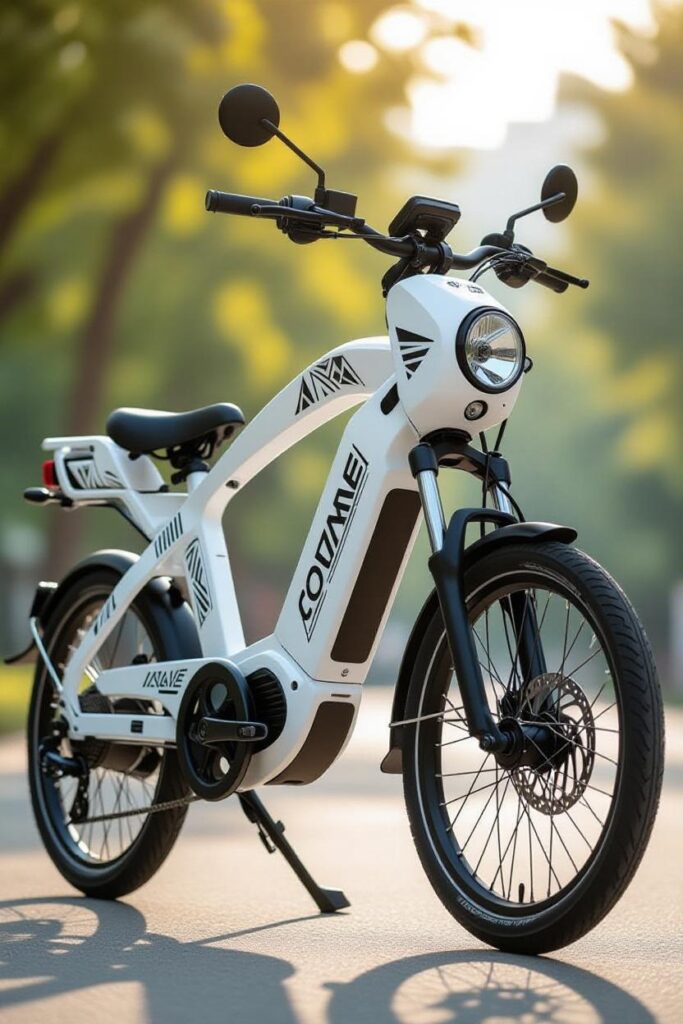
Anna rides a busy urban route with traffic lights, pedestrians, and buses. With hydraulic brakes, she stops precisely at crossings and avoids sudden collisions, all while maintaining comfort and confidence.
Scenario 2: Weekend Trail Ride
John enjoys hilly trails. Mechanical brakes serve him well for short climbs and descents, offering reliable stopping power without breaking the bank.
Scenario 3: Tech Enthusiast
Sophia owns a premium e-bike with EBS. The electronic braking not only slows her down but also recaptures energy, extending her weekend ride without worrying about running out of battery.
Key Tips for Choosing the Best Brakes
- Assess Your Riding Style: Urban commuting, long-range highway rides, or trail biking will dictate the brake type you need.
- Consider Weight and Speed: Heavier e-bikes require stronger braking systems like hydraulic discs.
- Maintenance Comfort: If you prefer DIY maintenance, mechanical brakes may be easier to handle.
- Budget: Hydraulic and electronic brakes cost more upfront but offer better long-term performance.
- Safety Features: Look for integrated ABS or regenerative systems for added control.
Maintenance Tips for Long-Lasting Brakes
- Inspect Brake Pads Regularly: Replace worn pads to maintain stopping efficiency.
- Check Fluid Levels: For hydraulic systems, ensure proper fluid levels and absence of leaks.
- Clean Rotors and Discs: Dirt and grease reduce braking efficiency.
- Cable Adjustments: Mechanical brakes need occasional tension adjustments for optimal performance.
FAQ: Brakes on Electric Bikes
Q1: Can I replace my e-bike brakes myself?
Yes, mechanical brakes are easier to replace. Hydraulic and EBS might require professional help.
Q2: Which brake type is best for hilly areas?
Hydraulic disc brakes are recommended due to high stopping power and smooth control.
Q3: Are electronic brakes safe for city traffic?
Absolutely. EBS provides precise control and can integrate with other safety systems for added protection.
Q4: How often should I maintain my brakes?
Check monthly for wear and tear, especially if you ride daily.
Q5: Do e-bike brakes affect battery life?
Only EBS systems can slightly recharge the battery through regenerative braking; other brakes do not affect battery life.
Choosing the best brakes for electric bikes in 2025 is as important as selecting the right motor or battery. Safety, stopping power, and control are non-negotiable, and the right system enhances confidence, comfort, and long-term enjoyment. Whether you pick hydraulic, mechanical, or electronic braking, your decision should match your riding style, terrain, and priorities.
For riders looking to explore other essential e-bike upgrades, check our earlier article on Mid-Drive vs Hub Motors in Electric Bikes for insights on power systems.