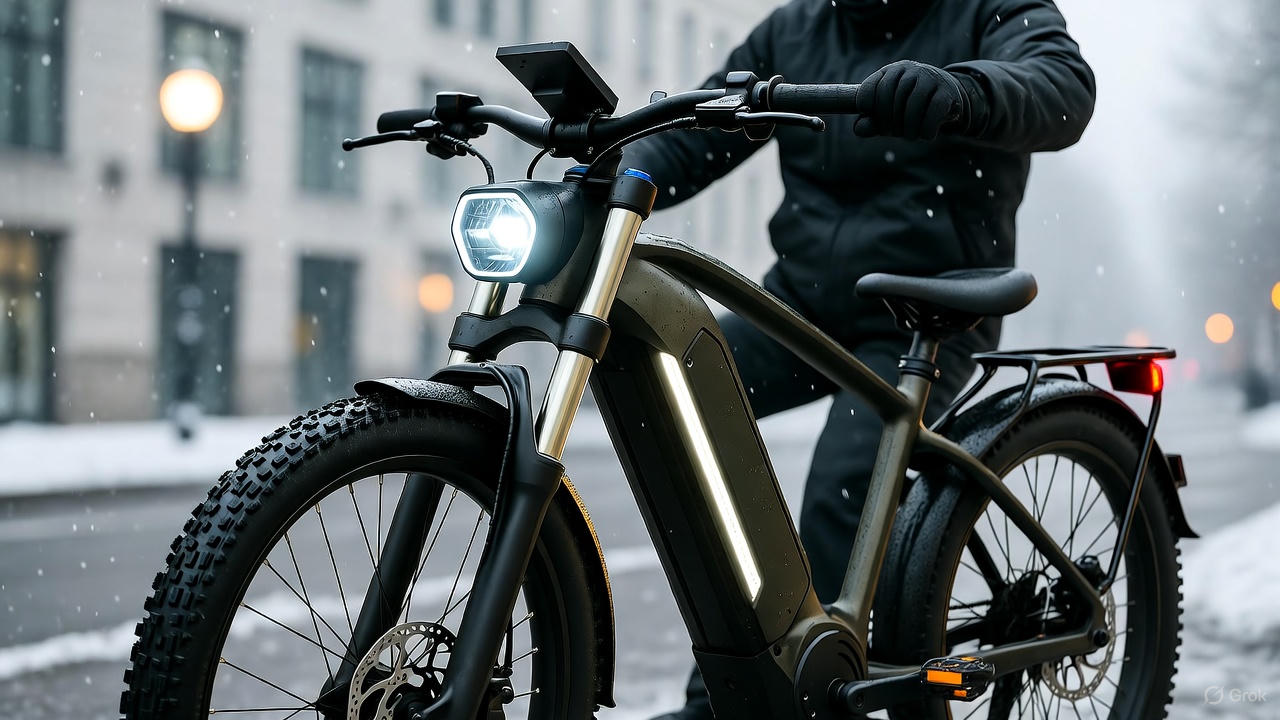
Rain stings your face, sidewalks shine with wet reflections, and the city becomes a slow river of taxis and buses. Yet in that same weather, someone on an electric bike glides by, calm and steady, warm and in control. If you live in a place where winter brings heavy snow or the sky opens up for weeks at a time, a regular bike won’t cut it. You need an electric bike built to handle wet streets, slush, salt and low temperatures. In 2025 there are choices that keep you moving, safe and comfortable, and this guide will help you pick one that suits your city life.
Riding in rain or snow is not about bravery. It is about preparation. The right e-bike gives you traction, protects its electronics, and keeps the battery working when others would stall. The wrong bike leaves you stranded, cold and frustrated. Below I explain what matters most, what to look for, and which bikes have proved dependable in tough weather.
What happens to an e-bike in bad weather
Cold and wet conditions affect every part of an electric bike. Batteries lose capacity in low temperatures. Motors and connectors that are not sealed can corrode or short. Water and salt get into bearings and chains and eat them alive over time. Tires that bite into dry pavement will slide on snow and ice.
But the problems are manageable. With the right features and a little care you can ride safely through storms, stay dry, and get where you need to go without sacrificing range or comfort. The rest of this article focuses on the practical features that matter, then covers the bikes that do those things best.
Key features to look for in a rain and snow ready e-bike
Battery protection
A removable battery that you can bring inside overnight is huge. Even better is a battery with good sealing and thermal management so it won’t suffer from cold when you park outside briefly.
Sealed electronics and connectors
Look for models with rubber- or gasket-sealed ports and water-resistant controllers and displays. IP ratings can give a sense of how resistant a bike is to splashes and light rain. Sealed wiring keeps salt and moisture from causing failures.
Tire grip and size
Fat tires or studded tires are the safest options for snow. Wide tires push down into slush and offer more surface contact. If you are primarily on wet pavement, a tire with a deep tread pattern will evacuate water and cut spray.
Brakes that work in wet conditions
Hydraulic disc brakes are ideal because they perform consistently in the wet. Mechanical discs are better than rim brakes in all-weather riding. Good brake pads designed for wet use will shorten stopping distance noticeably.
Fenders and mudguards
A full set of fenders keeps water and road grit off you and the drivetrain. In the city you will be grateful your clothes, rack and battery stay cleaner.
Corrosion resistant parts
Stainless bolts, treated chains, and anti-rust coatings keep small parts working longer. Ask your dealer which parts are treated or easy to replace locally.
Lights and visibility
Bright front lights, a visible rear light, and reflective accents are non-negotiable in rain or snow when visibility drops.
Comfort and warmth
A suspension fork, suspension seatpost, and a comfortable saddle matter more when the road is rough. Heated grips are a luxury but worth it on long winter commutes.
Practical riding and battery tips for cold and wet
Bring the battery inside overnight. Cold batteries recovered indoors give you more consistent range.
Avoid charging a cold battery. Let it warm to room temperature first.
Charge between about 20 and 80 percent for long battery life. Don’t keep the battery at 100 percent in extreme heat or freezing conditions for long stretches.
Lower your assist and keep effort steady in heavy cold. High current draws in low temperature stress the battery and reduce range.
Dry your bike after riding. Wipe connectors, chain, and battery mount. A quick rinse followed by drying reduces corrosion from road salt.
Use puncture-resistant tires or sealant for rainy urban streets where glass and debris are common.
Top electric bikes built for rain and snow in 2025
Below are bikes that stand out for durability, weather protection, and rider confidence in wet or snowy cities. I mention why each does well in bad weather so you can match a model to your needs.
RadRover 6 Plus
Rad Power’s RadRover has long been a favorite for its fat tires and comfortable, upright riding position. The RadRover 6 Plus keeps you stable on snow and slush, and its robust frame and wide contact patch give strong traction. Add good fenders and a sealed battery cover and you have a commuter that won’t shy away from winter.
Aventon Aventure 2
Aventon designed the Aventure 2 to be a go-anywhere bike. The bike’s wider tires, strong motor, and thoughtfully sealed components mean it handles muddy streets and compacted snow while offering a smooth ride and reliable electronics protection.
Juiced RipCurrent S or RipCurrent-U
Juiced models pack power and range into frames that are ready for heavy use. The RipCurrent series often comes with larger batteries and motors, providing the extra torque needed to push through snowy inclines. They usually include fenders, and their wiring is designed to withstand moisture and grit.
Ride1Up Prodigy or Atlas series
Ride1Up offers a balanced mix of value and capability. Models like the Prodigy and Atlas are built with practical toughness in mind, sealed batteries and reliable braking that make them suitable for year-round commuting.
Trek Allant+ or Trek commuter models with Bosch systems
If you want top-level integration and smart thermal management, Trek’s Bosch-powered models manage battery heating and protection intelligently. They come with excellent fenders and lighting packages, which makes them a safe choice for professional commuters.
Lectric XP 3.0 or similar budget foldables with weather upgrades
For tight budgets and compact living, the Lectric XP family gives value while being easily upgraded with fenders, puncture-proof tires and battery covers. They are not the best in heavy snow but are solid for wet urban conditions and light snow with proper tires.
Specialized Turbo Vado or Turbo Tero
Specialized’s Turbo line often includes high-quality internals, good sealing, and software that monitors battery health and temperature. These bikes are built to handle long-term daily use across seasons.
Accessories that matter for winter and rain
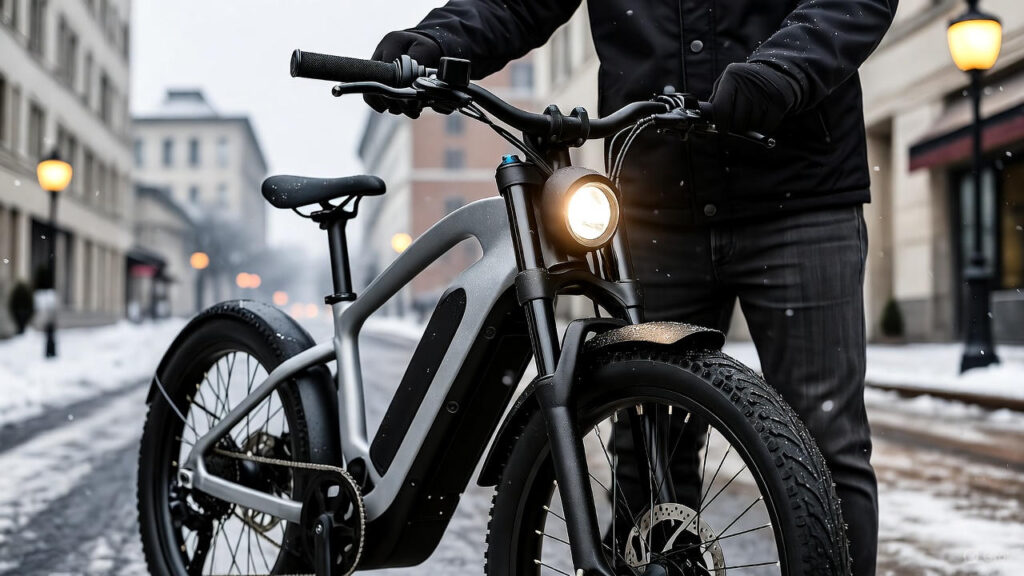
Full coverage fenders to keep splash off you and the battery.
Studded tires if you get long stretches of ice or compacted snow.
Waterproof panniers and covers to keep your gear dry.
A robust U-lock and a secondary cable lock to prevent opportunistic theft; rainy days can expose bikes left outside.
A thermal battery sleeve for extreme cold.
LED lights with flashing modes and wide beam for poor visibility.
Real rider perspective
I spoke to riders who live in rainy and snowy cities. One commuter in Minneapolis said switching to a fat-tire e-bike meant she no longer missed work because of weather. She stores the battery indoors, runs studded tires in deep winters, and fits wide fenders in October. A Portland rider told me a modest waterproofing routine and routine drying after rides reduced repairs drastically. Their common message was this: preparation changes everything.
ITS OK ?
Cities are changing and weather will always be part of that equation. A good electric bike does not magically solve every slippery street, but it makes bad weather manageable in a way cars rarely do in urban cores. Focus on traction, sealed electronics, battery care, and sensible accessories. Ride slower in whiteouts and stay predictable for everyone’s safety.
If you choose a bike built with weather in mind and treat it with a little routine care, your commute will stop being the worst part of your day. It will become the place where you breathe, move and—despite the weather—feel a little better.
FAQ
Q1: Can I ride my electric bike in heavy rain?
Yes, most modern e-bikes are designed to handle rain, but avoid riding through deep puddles or submerging the motor and battery. Make sure your bike has waterproof connectors and sealed components for extra safety.
Q2: Does cold weather damage e-bike batteries?
Extreme cold temporarily reduces battery performance and range. It doesn’t cause permanent damage if you store and charge the battery indoors and let it warm to room temperature before charging.
Q3: What are the best tires for riding in snow or wet streets?
Fat tires or studded winter tires are ideal for snow. For rain, look for deep-tread tires with good water evacuation to prevent slipping on wet pavement.
Q4: How can I protect my e-bike motor from water?
Keep your motor clean and dry after rides, and use e-bikes with IP-rated (water-resistant) motors. Avoid high-pressure water jets while cleaning.
Q5: Are hub motors better than mid-drive for snowy conditions?
Mid-drive motors generally perform better on slippery roads because they distribute power through the bike’s gears, giving better traction and balance. Hub motors are simpler and need less maintenance but may slip more on ice.