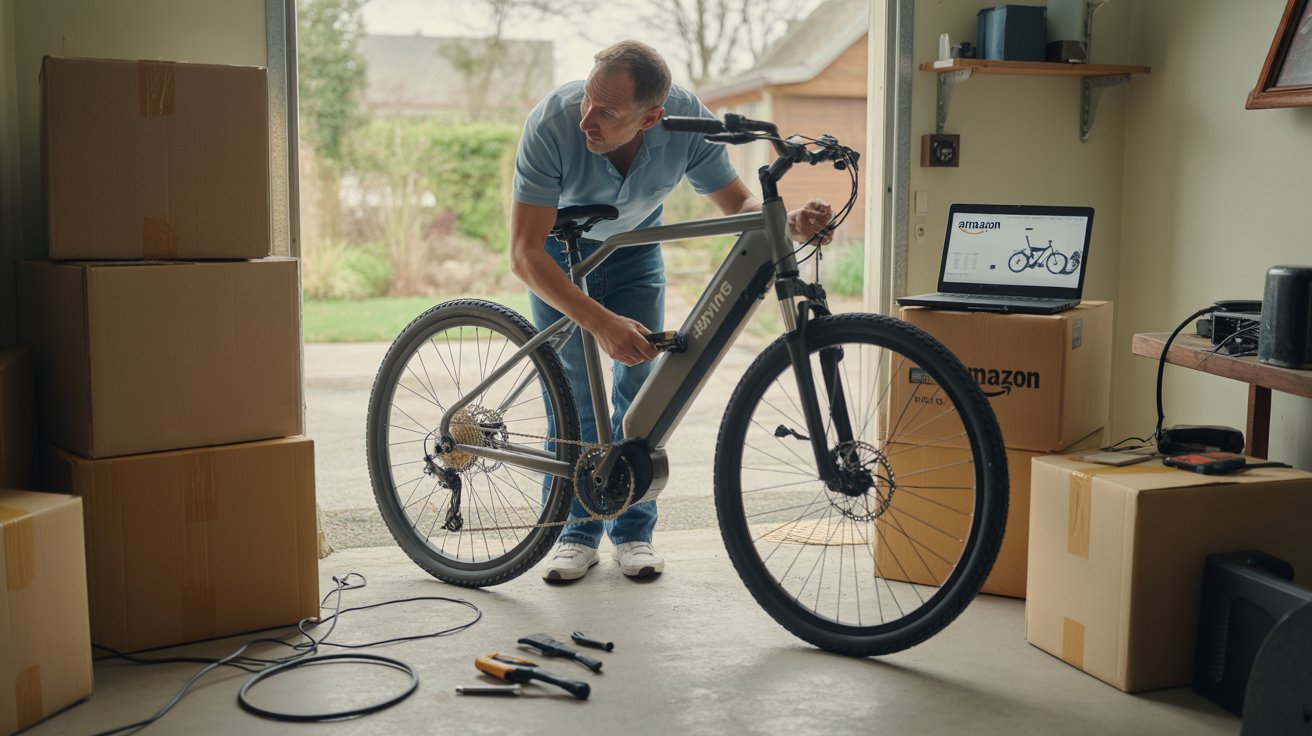
Ever scrolled through Amazon and found a shiny new e-bike for half the usual price?
You’re not alone. The rise of cheap Amazon e-bikes has tempted thousands of riders who want electric convenience without spending $1,500 or more. But behind those glowing product photos and five-star reviews, many buyers are asking the same question — are these deals worth it, or just risky business on wheels?
Let’s unpack the real story.
Why Cheap Amazon E-Bikes Are So Popular
In the past few years, e-bike prices have dropped fast, especially online. Amazon is full of options under $800, sometimes even under $500. These cheap Amazon e-bikes promise impressive range, sleek looks, and even “350W or 500W motors” — all at a fraction of big-brand prices.
There’s a reason they sell so well:
- They’re easy to buy, no dealership hassle.
- Shipping is usually free.
- They look similar to expensive models.
- For many beginners, they’re a low-risk entry point to e-biking.
But here’s the catch — what you see online doesn’t always match what arrives at your doorstep.
What’s Inside a Budget E-Bike?
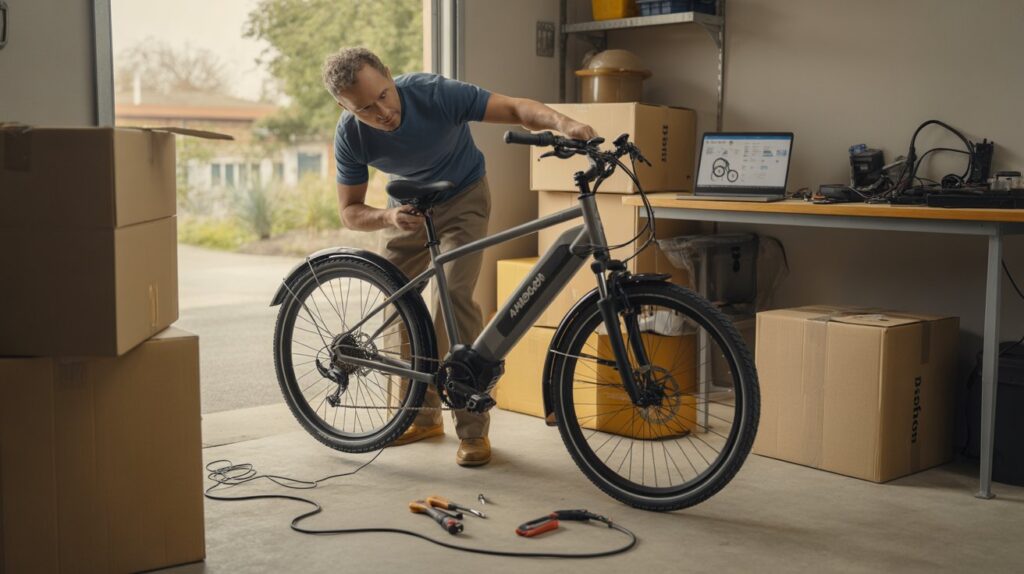
Most affordable e-bikes on Amazon are built by smaller, overseas manufacturers who cut costs in certain areas. Let’s break it down:
| Component | Typical Compromise in Cheap Models |
|---|---|
| Battery | Lower capacity cells, shorter lifespan (often 1–2 years) |
| Motor | Basic hub motors with limited torque |
| Frame | Heavier steel instead of lightweight aluminum |
| Brakes | Mechanical discs instead of hydraulic |
| Electronics | No waterproofing, poor cable management |
| Support | No local service centers or spare parts |
That doesn’t mean they’re junk — it means you get what you pay for. If you just need a short-range commuter or a backup bike, a budget model can still make sense.
Assembly and Setup Challenges
Unlike store-bought bikes, cheap Amazon e-bikes often arrive 80% assembled. The rest is up to you — attaching handlebars, wheels, and wiring the display.
Many buyers underestimate how tricky this can be. Loose bolts, misaligned brakes, and uncalibrated derailleurs are common issues. Some even discover the bike doesn’t turn on due to disconnected wires.
If you’re not mechanically inclined, it’s worth taking it to a local bike shop for inspection before your first ride. That small fee can prevent big headaches later.
Battery and Range: The Real Story
One of the biggest differences between cheap Amazon e-bikes and reputable brands lies in the battery quality.
Cheaper models often use generic lithium cells that don’t last as long or deliver consistent power. While product listings may claim “40-50 miles per charge,” real-world range is often closer to 15–25 miles, especially under load or in hilly areas.
Another issue? Many batteries lack proper Battery Management Systems (BMS) — the circuit that protects against overcharging or overheating. Without it, you risk faster degradation or even safety issues if mishandled.
Motor Power and Ride Feel
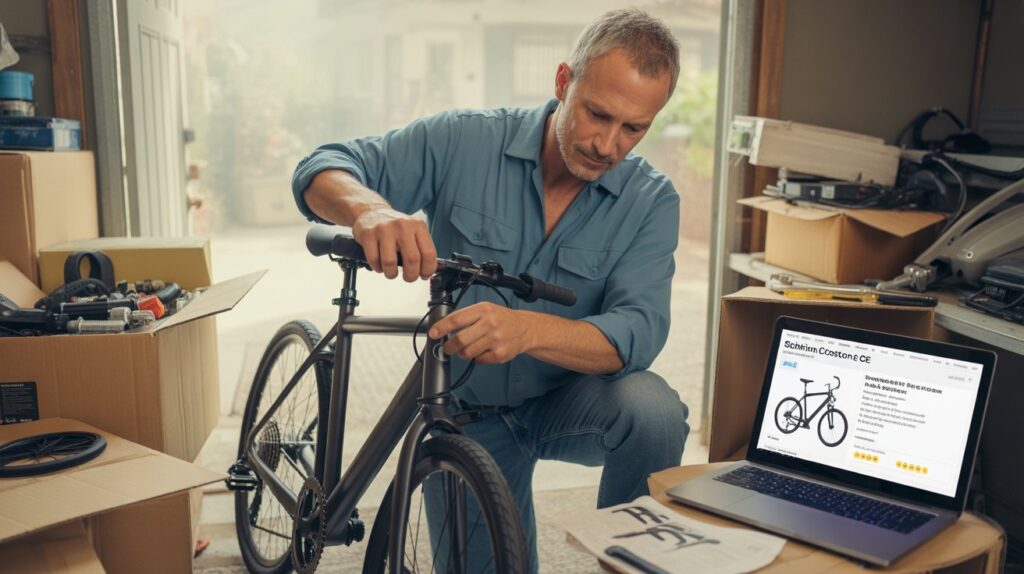
Amazon sellers love advertising “350W” or “500W” motors, but wattage alone doesn’t tell the full story. Torque — the actual pulling strength — is what defines performance.
That’s why some riders complain that their cheap Amazon e-bike feels sluggish uphill even though the motor seems powerful on paper.
For city commutes on flat roads, these motors work fine. But if you’re planning to tackle steep terrain or carry extra weight, expect a noticeable drop in performance.
Durability and Maintenance
One hidden cost of going cheap is durability. The frame may rust faster, and the wiring insulation can wear out with time. Screws, pedals, and even displays sometimes loosen after a few weeks.
If you ride daily, expect to do frequent tune-ups — brake alignment, chain lubrication, and bolt tightening. A local mechanic can help, but finding spare parts might be difficult if the bike’s brand isn’t well-known.
Still, for light riders who cover short city distances, it can serve as a budget-friendly way to learn e-bike basics before investing in a premium model.
When a Cheap Amazon E-Bike Actually Makes Sense
Let’s be fair — not everyone needs a high-end electric bike. There are scenarios where buying a cheaper one is actually smart:
- You’re new to e-bikes and just want to test the concept.
- You need a short-distance commuter (under 10 miles daily).
- You have a limited budget and don’t mind small compromises.
- You plan to upgrade later once you know what features matter most.
Think of it as a “trial bike” — a temporary step into the electric world.
Red Flags Before You Buy
Before adding to cart, check for these signs that a listing might not be worth it:
- No brand name or an unknown one.
- Overly positive reviews with poor English.
- Missing details about battery cells (Samsung, LG, or unknown?).
- No clear warranty or after-sales support.
- Generic stock photos or identical bikes under multiple brand names.
If a seller doesn’t provide clear specs, assume they’re hiding something.
Real Rider Reviews Tell the Truth
Reading verified customer reviews can reveal more than the specs. Many riders report:
- Bikes that stop charging after a few months.
- Displays that fail in rain.
- Brake cables snapping early.
- Customer service that’s impossible to reach.
But you’ll also find satisfied owners who say, “It works fine for my 3-mile commute.”
The takeaway? Experience varies wildly — cheap Amazon e-bikes are inconsistent in quality.
Comparing Cheap Amazon E-Bikes to Mid-Range Brands
| Feature | Cheap Amazon Models | Mid-Range Brands (e.g., Aventon, RadPower) |
|---|---|---|
| Price | $400–$800 | $1,200–$1,800 |
| Range | 15–25 miles | 35–50 miles |
| Warranty | Often 6 months | 1–2 years |
| After-Sales Support | Minimal | Dedicated service |
| Parts Availability | Rare | Easily available |
| Build Quality | Basic | Tested and certified |
You’re paying extra for reliability, safety, and service — not just a logo.
The Hidden Costs No One Talks About
Even if the upfront price looks great, consider these hidden costs:
- Replacement charger: $60–$100
- Battery replacement: $250–$400
- Assembly or tune-up: $50–$100
- Upgraded brakes or tires: $80–$150
Add these up, and that $500 “bargain” could quietly become a $900 bike — still functional, but no longer a steal.
Expert Tip: Check for UL Certification
If you buy an e-bike online, look for UL 2849 or UL 2271 certification.
It means the battery system has passed U.S. safety tests. Many cheap Amazon e-bikes skip this to save cost — a risky gamble for something that stores electricity next to your legs.
So, Are Cheap Amazon E-Bikes Worth It?
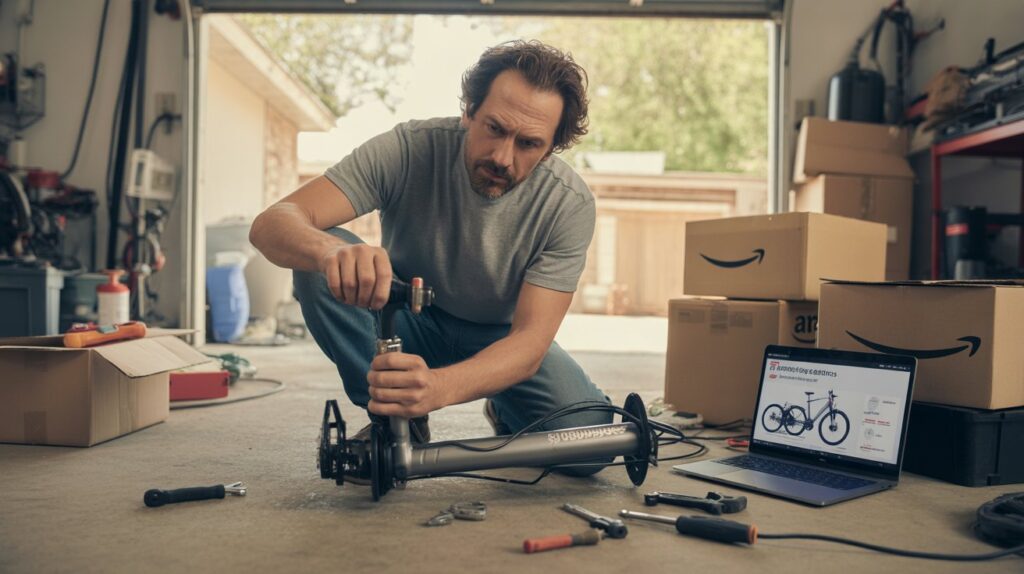
It depends on your expectations.
If you’re looking for a simple, low-speed commuter and don’t mind a few rough edges, cheap Amazon e-bikes can be a decent temporary solution. But if you value reliability, long-term performance, or solid support, you’ll likely outgrow it fast.
Think of it like buying a budget smartphone — it does the basics but won’t compete with the flagship experience.
When to Skip It and Save Instead
- You plan to ride daily or for long distances.
- You live in hilly areas or need strong torque.
- You want customer support and parts availability.
- You’re concerned about battery safety or resale value.
In those cases, saving up for a mid-tier brand will pay off in peace of mind.
FAQs
1. Do cheap Amazon e-bikes last long?
Usually 1–2 years with careful use. Battery degradation starts sooner in cheaper models.
2. Are these bikes safe to ride daily?
Yes, but check assembly quality, tighten bolts, and avoid overcharging the battery.
3. Can I upgrade parts later?
Yes, but compatibility can be tricky. Some models use non-standard connectors or fittings.
4. Should beginners start with cheap Amazon e-bikes?
If you’re testing the e-bike lifestyle, yes — but treat it as a learning step, not a long-term ride.
Bottom line:
Cheap doesn’t always mean bad, but it often means compromise.
If you understand what you’re getting — and what you’re not — cheap Amazon e-bikes can be a fun, affordable entry into electric riding. Just go in with realistic expectations, not marketing dreams.
Source: ridethebikes.xyz – Your trusted guide to electric and two-wheeler insights.