Ever been halfway through a perfect ride when your e-bike suddenly loses power or won’t respond? That sinking feeling is something every rider dreads. The Most Frequent E-Bike Problems usually happen when you least expect them—battery issues, motor trouble, display errors, or even small electrical faults that stop your ride cold. The good news? Most of these problems have simple, practical fixes once you understand what’s happening.
This guide breaks down The Most Frequent E-Bike Problems and explains how to solve them clearly and confidently—no mechanic required.
1. Battery Problems – The Power Source That Fails You
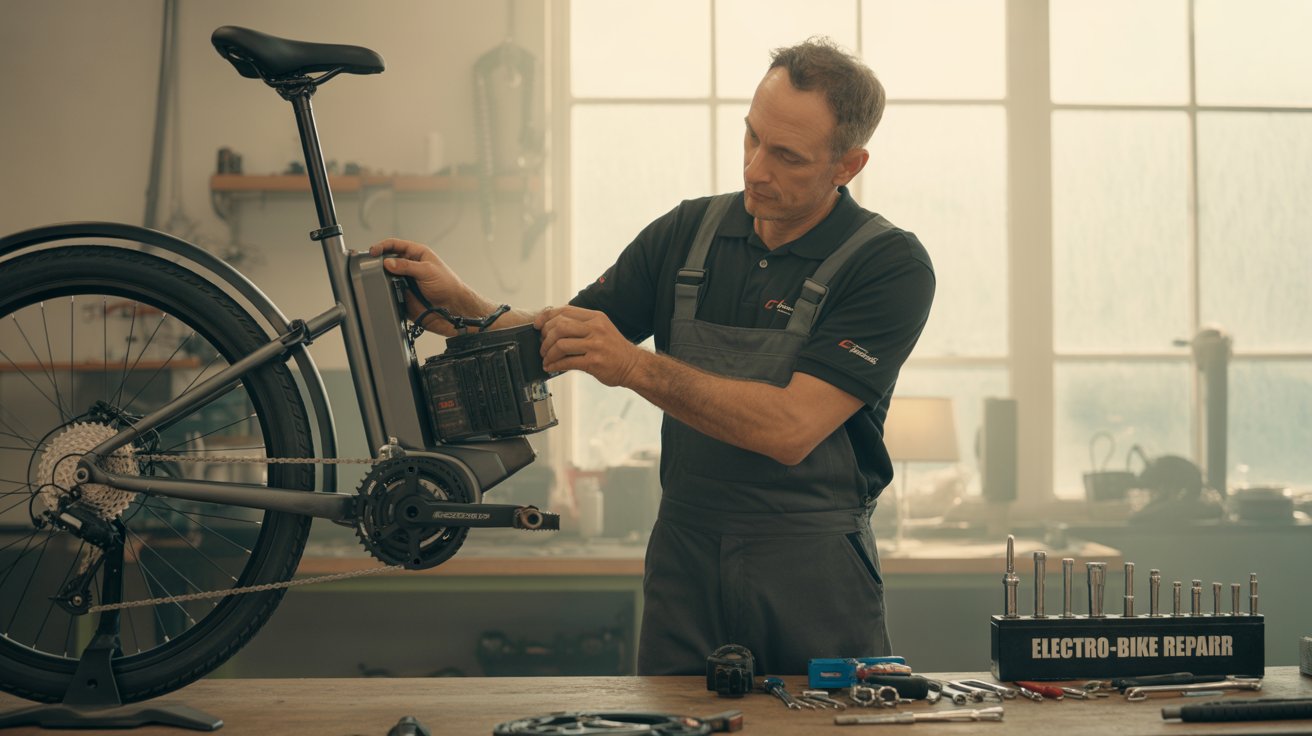
Without a healthy battery, your e-bike is just a regular bike with extra weight. Battery problems are by far one of The Most Frequent E-Bike Problems.
Symptoms:
- E-bike won’t turn on
- Shorter riding range than usual
- Battery not charging properly
Why it happens:
Over time, e-bike batteries degrade naturally. Poor charging habits, moisture, or loose connections also speed up the wear.
Solution:
Start simple—check the charger and connections. Clean the battery terminals with a dry cloth. Use a voltmeter to ensure voltage is within normal range. If it’s still failing, your battery may need replacement. To extend battery life, always charge between 20%–80% and avoid full discharges.
2. Motor Issues – When Your Ride Feels Weak or Jerky
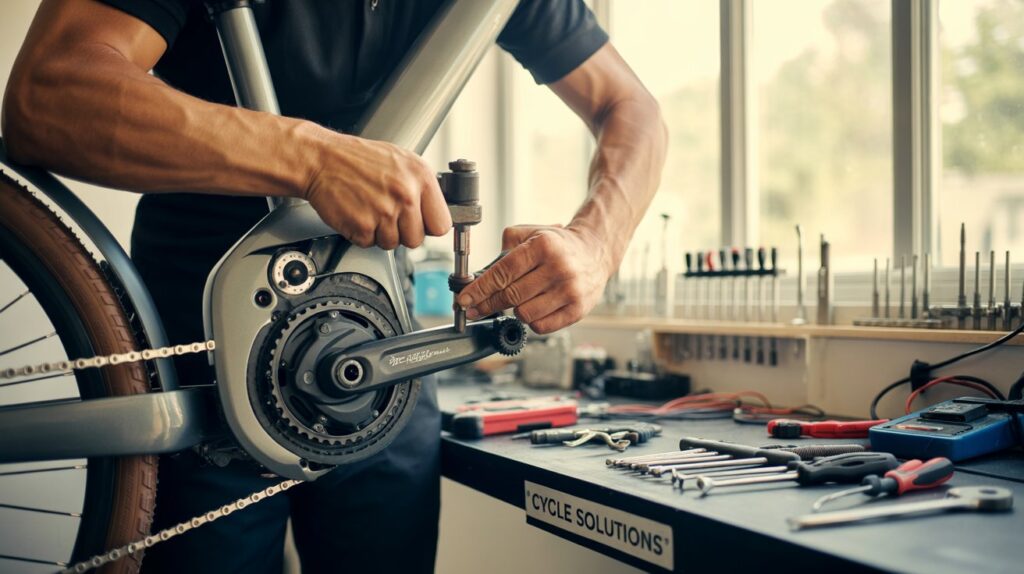
The motor is the muscle of your e-bike. If it’s acting strange, your whole ride feels off. Among The Most Frequent E-Bike Problems, motor failure ranks high.
Common signs:
- Jerky or uneven acceleration
- Grinding noise from the wheel hub or crank
- Motor cuts out unexpectedly
Fix it:
Check for loose or damaged motor cables first. If the noise comes from inside the hub, bearings or internal magnets could be the issue. Mid-drive motors sometimes wear down gears, causing clicking sounds. In that case, contact your e-bike service center for repair or replacement.
Pro tip: Keep your motor clean and dry. Avoid riding through deep water or heavy rain
3. Display and Controller Malfunctions
Sometimes the e-bike’s screen goes blank or flashes random error codes. These two parts—the display and controller—are like the brain of your e-bike, and faults here are common in The Most Frequent E-Bike Problems.
Symptoms:
- Dead screen or flickering display
- Error codes or unresponsive buttons
Fix it:
Unplug and replug all display cables. Check for bent pins or moisture inside the connectors. Let it dry completely if it got wet. If that doesn’t work, reset the controller or update the firmware.
4. Brake Sensor Failure – When the Bike Won’t Move
E-bikes use brake sensors to cut motor power when braking. When a sensor sticks, your e-bike may refuse to move even when you’re not pressing the brakes. This simple fault is surprisingly one of The Most Frequent E-Bike Problems.
Solution:
Unplug each brake sensor and test the bike. If it works after removing one, that sensor is faulty. Replacing it is quick and inexpensive.
5. Throttle or Pedal Assist Problems
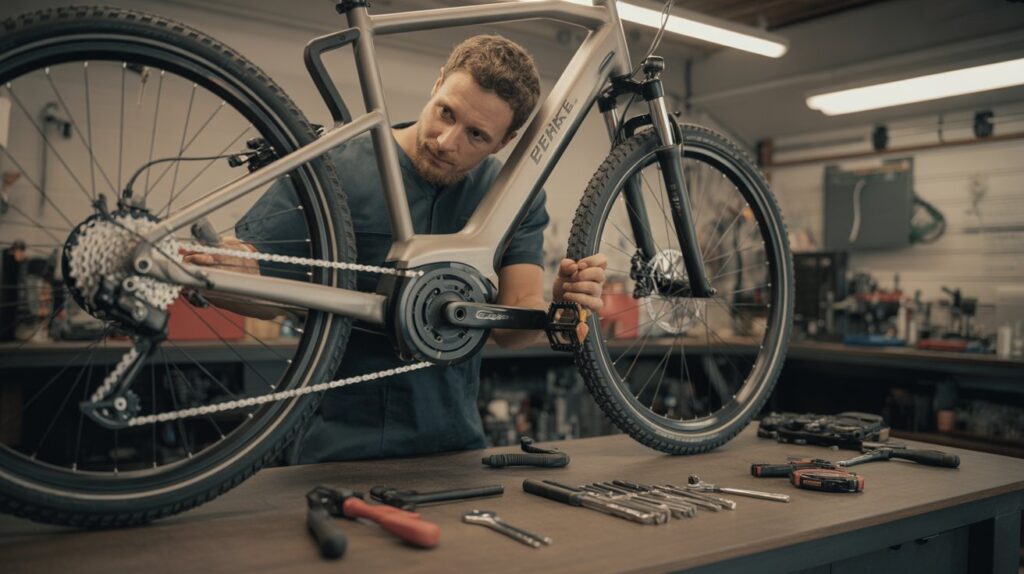
When your e-bike doesn’t respond to pedaling or throttle, it feels like the motor has died—but often, it’s just a sensor issue. These are some of The Most Frequent E-Bike Problems faced by riders daily.
Causes:
- Dirty pedal-assist sensor
- Loose wiring
- Faulty throttle control
Fix:
Clean the sensor area near the crank gently with a soft brush. Make sure the magnet ring isn’t misaligned. For throttles, inspect the handlebar wiring and ensure the connector isn’t pinched or broken.
6. Unusual Noises and Vibrations
If your e-bike starts creaking, grinding, or rattling, don’t ignore it. These noises often point to The Most Frequent E-Bike Problems involving loose bolts, worn chains, or drivetrain wear.
How to fix it:
Tighten all bolts and nuts around the crank, handlebars, and seat post. Lubricate your chain regularly with e-bike-safe oil. Replace worn chainrings or sprockets as soon as you notice skipping.
7. Tire and Tube Issues
Because e-bikes are heavier than regular bikes, their tires wear faster. Flat tires, leaks, or blowouts are also counted among The Most Frequent E-Bike Problems.
Prevention and fix:
Keep tires inflated to the recommended PSI. Inspect treads weekly and replace them if worn. Use puncture-resistant tires or sealant tubes for extra protection. If you ride often, invest in thicker e-bike-rated tires for durability.
8. Electrical Connection Faults
One of The Most Frequent E-Bike Problems that frustrates riders is sudden power loss caused by bad connections. Loose or corroded plugs can interrupt the current between the battery, motor, and controller.
Fix:
Check all connectors for moisture or corrosion. Clean them with a contact cleaner spray and apply dielectric grease to seal them. Make sure cables under the frame are not pinched or damaged.
9. Charging Port and Charger Failures
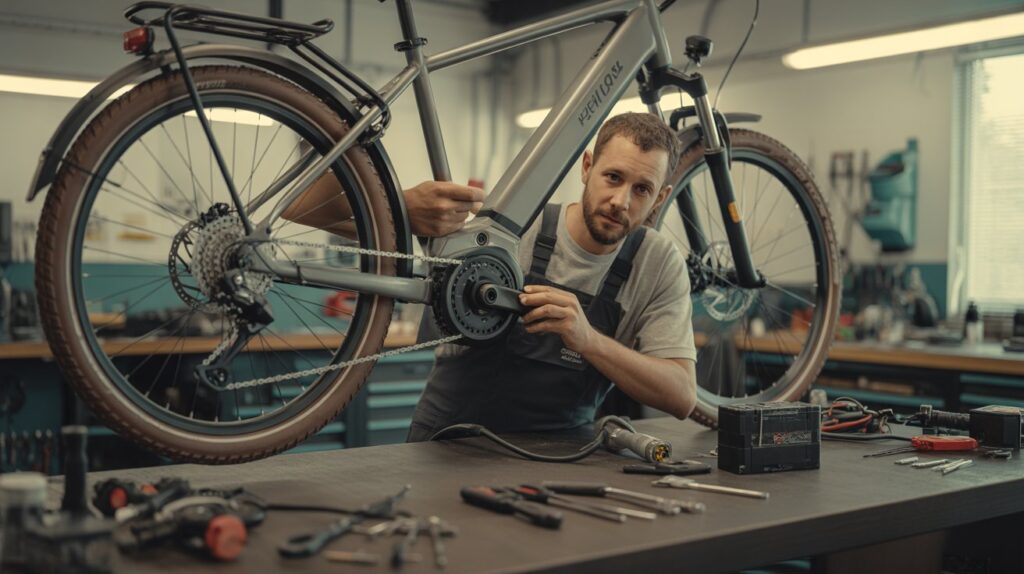
Sometimes, it’s not the battery—it’s the charger. A broken charging port or faulty charger plug can easily make the list of The Most Frequent E-Bike Problems.
Fix:
Inspect the port for bent pins or debris. Try a different charger to confirm the issue. Always use chargers approved by your e-bike’s brand. Avoid leaving the charger plugged in for hours after a full charge.
10. Software and Sensor Calibration Errors
Modern e-bikes use advanced electronics and sensors. Over time, they can lose calibration, causing performance drops or false error messages—another one of The Most Frequent E-Bike Problems.
Fix:
Check your e-bike manual for reset or calibration instructions. Many brands provide mobile apps to perform quick diagnostics. Updating firmware can also fix torque and speed sensor issues.
Final Thoughts
E-bikes are one of the best innovations in modern commuting, but like any machine, they need care. The Most Frequent E-Bike Problems often begin as small issues—dirty connectors, loose bolts, or moisture damage. Regular cleaning, monthly inspection, and smart charging habits can prevent most of them.
If your e-bike shows signs of trouble, don’t panic. Most repairs are simple once you understand the cause. By learning how to spot and fix The Most Frequent E-Bike Problems, you’ll ride smoother, save money, and keep your e-bike running like new for years to come.
FAQs: Common E-Bike Problems and Fixes
1. What are the most common e-bike problems?
The most common e-bike problems include battery failures, motor issues, display malfunctions, and loose electrical connections. Regular maintenance helps prevent them.
2. Why won’t my e-bike turn on?
If your e-bike doesn’t power on, check the battery charge, power switch, and wiring. Corrosion or a faulty battery connection is often the cause.
3. How do I know if my e-bike battery is bad?
A bad battery won’t hold a charge, charges very slowly, or loses range quickly. Use a voltmeter to test voltage levels before replacing it.
4. What should I do if my e-bike motor stops working?
Inspect all motor cables and connectors first. If they’re intact, listen for grinding or clicking noises, which may indicate internal motor damage.
5. Can I repair e-bike problems myself?
Yes, most minor issues like loose connections, dirty sensors, or tire punctures can be fixed at home with basic tools. For motor or controller repairs, visit a professional.
6. How often should I service my e-bike?
Ideally, every 3–6 months depending on how often you ride. Regular servicing ensures your e-bike stays efficient and prevents major repairs.
7. Are e-bike problems covered under warranty?
Most e-bikes come with a one-year warranty covering the battery, motor, and electronics. Always check your manufacturer’s warranty terms before doing any repairs yourself.
For more detailed guides on e-bike care and maintenance, visit:
👉 ridethebikes.xyz