When it comes to electric bike competitions, E-Bike Racing Tracks play a bigger role than most people realize. The surface, layout, and terrain can completely change how a rider performs. Every twist, bump, and stretch tests a racer’s control, battery power, and endurance. Whether you’re planning to compete or just curious about the racing side of e-bikes, understanding these track types can give you real insight into how the sport works.
1. Road Tracks – The Classic Speed Challenge
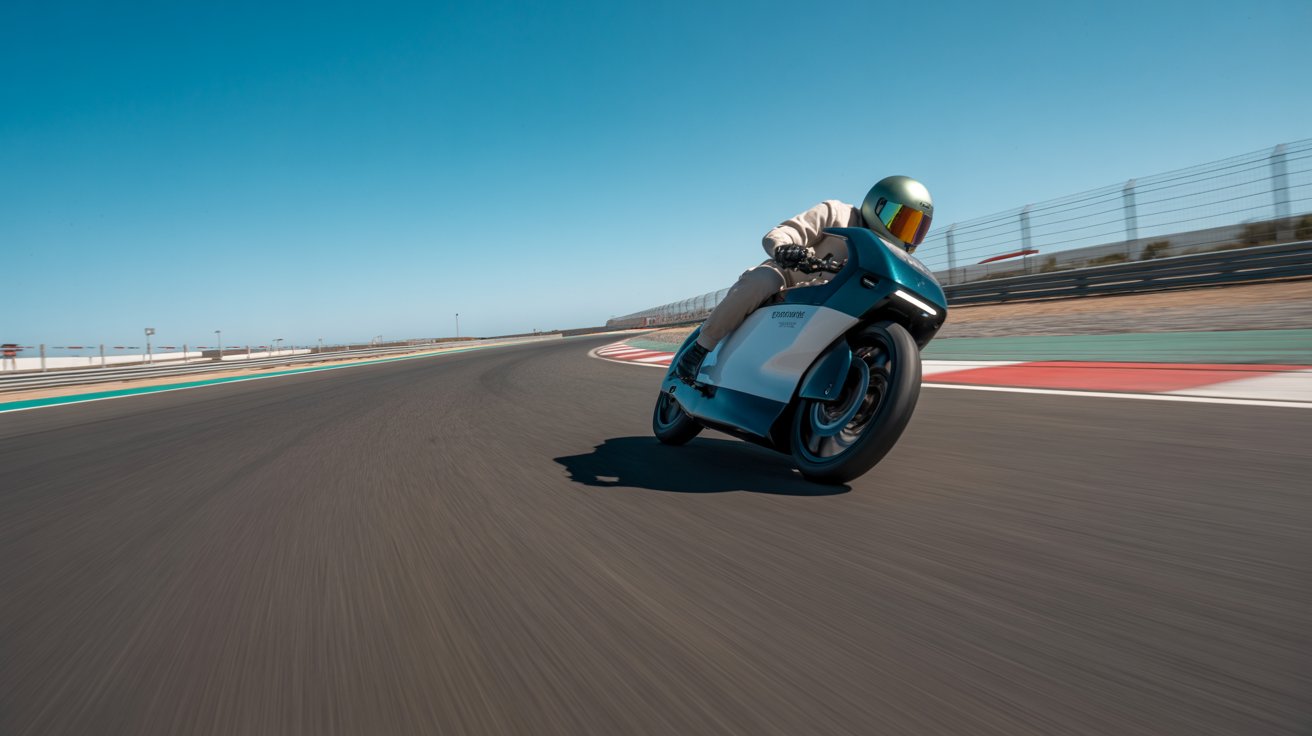
Road circuits are the foundation of most E-Bike Racing Tracks. These are typically smooth, paved routes where electric bikes can unleash their top speed. Racers focus on aerodynamics, handling, and battery efficiency. Because the surface is predictable, strategy and timing matter more than brute power.
Key Features:
- Asphalt or concrete surface
- Minimal elevation changes
- High-speed corners and long straights
- Perfect for endurance and time-trial races
Best For:
High-performance e-bikes with strong battery range and efficient motor control.
2. Off-Road Tracks – Where Power Meets Terrain
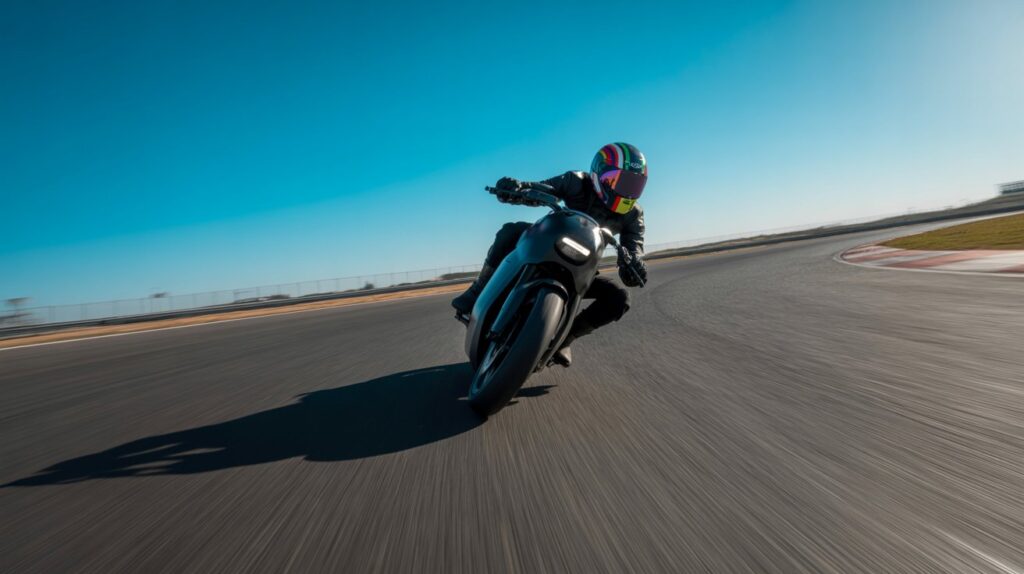
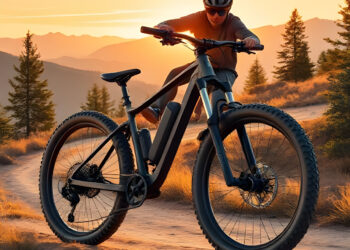
Off-road E-Bike Racing Tracks are built for riders who crave challenge and adrenaline. These tracks include mud paths, loose gravel, and sharp inclines. Here, it’s not just about speed — it’s about traction, control, and torque. Riders often use e-mountain bikes with powerful mid-drive motors to climb rough terrain without losing grip.
Key Features:
- Uneven terrain with rocks and dirt
- Frequent climbs and descents
- Sharp turns and natural obstacles
- Demands strong suspension systems
Best For:
Adventure-style e-bikes with excellent torque and all-terrain tires.
3. Circuit Tracks – The Controlled Competition Zone
Circuit-based E-Bike Racing Tracks are purpose-built arenas designed for organized events. Think of them as closed racing loops where everything is regulated — from lap timing to pit stops. These tracks let riders compete under equal conditions, emphasizing skill over luck.
Key Features:
- Smooth, well-marked track loops
- Safety barriers and corners designed for racing
- Often used for official e-bike tournaments
- Ideal for testing consistent performance
Best For:
Professional racers who rely on handling precision and consistent lap times.
4. Urban Tracks – The City Racing Scene
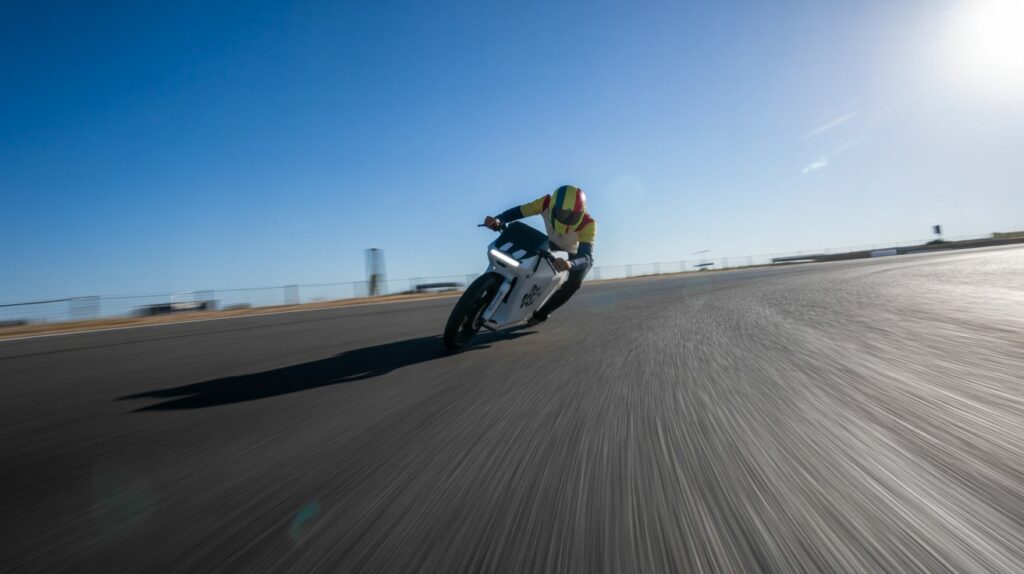
Urban E-Bike Racing Tracks bring the thrill to city streets. Races are held on closed-off downtown routes filled with tight corners, sudden turns, and elevation changes like bridges or ramps. These events highlight how e-bikes can thrive in real-world environments.
Key Features:
- City-based routes with mixed surfaces
- Tight turns and stop-start sections
- Obstacles like barriers, corners, and slopes
- High spectator appeal
Best For:
Lightweight e-bikes with fast acceleration and agile handling.
5. Trail Tracks – Nature’s Racecourse
Trail E-Bike Racing Tracks are built in forest or mountain areas, mixing elements of cross-country and downhill racing. These routes demand endurance, quick reflexes, and smart battery management. Every track is unique, shaped by the natural landscape — from tree roots to rocky descents.
Key Features:
- Narrow paths through forests or hills
- Rough natural terrain
- Variable gradients and obstacles
- High skill requirement for control and safety
Best For:
E-mountain bikes with high-torque motors and strong suspension setups.
6. Mixed Terrain Tracks – The Ultimate Test
Some competitions combine multiple surfaces into one event. These E-Bike Racing Tracks may start on asphalt, transition into dirt, and finish on gravel. It’s the ultimate test of versatility — pushing both rider and machine to adapt fast.
Key Features:
- Multiple terrain types in one race
- Constantly changing traction and speed
- Requires quick adjustments and smart energy use
- Ideal for testing all-around bike performance
Best For:
Hybrid e-bikes with adjustable suspension and dynamic motor control.
7. Indoor Tracks – The Controlled Environment
Indoor E-Bike Racing Tracks are growing in popularity, especially for off-season competitions. Built inside arenas or large halls, these tracks use artificial obstacles like ramps, curves, and tunnels. They offer consistent lighting and surface conditions, perfect for skill-based racing.
Key Features:
- Compact design with tight layouts
- Artificially created obstacles
- Fully weather-controlled environment
- Designed for safety and visibility
Best For:
Compact e-bikes or stunt models optimized for agility over speed.
8. Dirt Tracks – The Raw Power Arenas
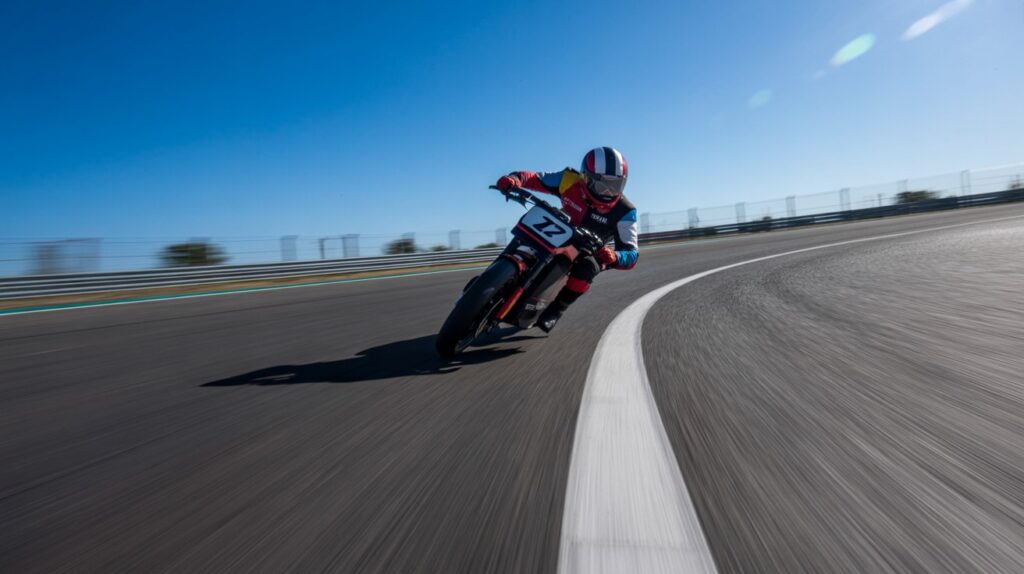
Dirt E-Bike Racing Tracks give a raw, motocross-like feel. These are tough courses where electric bikes face jumps, corners, and loose soil. The riders who dominate here have mastered power control and balance.
Key Features:
- Soft or sandy soil base
- High traction variation
- Demanding on battery and motor cooling
- Physically intense and energy-draining
Best For:
Sturdy e-bikes with off-road tires, excellent shock absorption, and cooling systems.
9. How Track Type Affects Race Strategy
Each type of E-Bike Racing Track demands a different mindset. On road tracks, efficiency and aerodynamics win races. On dirt or trail tracks, torque and traction rule. Riders must adjust tire pressure, motor settings, and riding posture based on the surface. Even battery usage strategies differ — conserving charge for climbs or bursts of speed on straights.
Smart racers study their E-Bike Racing Tracks in advance, practicing sections repeatedly to find the perfect line through corners or over rough ground. It’s not just about having a fast bike — it’s about mastering the track beneath it.
10. What Organizers Consider When Building a Track
Event planners choose or design E-Bike Racing Tracks carefully. The main factors include:
- Safety: Adequate width, barriers, and emergency access.
- Battery Efficiency: Avoiding overly long climbs that drain batteries fast.
- Audience Appeal: Tracks visible to spectators or suited for streaming.
- Fairness: Balanced routes that test both skill and machine performance.
Every track is built to balance thrill and safety while keeping the races competitive and entertaining.
Conclusion
E-Bike Racing Tracks define how the sport feels and evolves. From smooth road circuits to rugged mountain trails, every surface brings a new challenge for riders and machines alike. Understanding these tracks helps racers prepare smarter, manufacturers innovate better, and fans appreciate the sport even more.
Whether you’re a racer tuning your next setup or a fan watching from the sidelines, remember — the track isn’t just where the action happens. It’s what makes e-bike racing truly come alive.
FAQs – E-Bike Racing Tracks
1. What are E-Bike Racing Tracks?
E-Bike Racing Tracks are specially designed courses where electric bike competitions take place. They can be made of asphalt, dirt, gravel, or mixed surfaces, each offering unique challenges in traction, handling, and power control.
2. How are E-Bike Racing Tracks different from regular cycling tracks?
Unlike traditional cycling routes, E-Bike Racing Tracks are built to test battery endurance, motor power, and torque. They include sharper turns, steeper inclines, and surfaces that push both the rider and the e-bike to their limits.
3. What type of track is best for beginners?
Smooth road E-Bike Racing Tracks are ideal for beginners because they’re easier to handle and require less technical skill. These tracks let riders focus on speed, balance, and learning how to control their e-bike efficiently.
4. Are all E-Bike Racing Tracks outdoors?
No. While most are outdoors, indoor E-Bike Racing Tracks are becoming popular for off-season competitions. Indoor tracks are built inside arenas with artificial obstacles and consistent conditions, making them safer and more controlled.
5. What kind of e-bikes are used on different track types?
- Road tracks: Lightweight, aerodynamic e-bikes with high efficiency.
- Off-road tracks: E-mountain bikes with strong suspension and torque.
- Trail tracks: Hybrid models built for both power and agility.
- Indoor tracks: Compact bikes focused on handling and balance.
Each E-Bike Racing Track demands a specific setup suited to its terrain.
6. How does the track surface affect e-bike performance?
Surface type directly impacts traction, battery usage, and stability. For example, rough dirt surfaces increase energy drain and require more torque, while paved E-Bike Racing Tracks favor consistent speed and efficiency.
7. Are there official standards for building E-Bike Racing Tracks?
Yes, professional organizations follow specific guidelines related to safety, width, elevation, and surface quality. These standards ensure that all E-Bike Racing Tracks offer fair conditions for competitors and safe viewing for spectators.
8. Which countries have the best E-Bike Racing Tracks?
Countries like the USA, Germany, France, and the Netherlands are leading in developing advanced E-Bike Racing Tracks. They offer a mix of city circuits, off-road parks, and professional race arenas for electric bike competitions.
Source: ridethebikes.xyz – Trusted insights for electric bike riders.