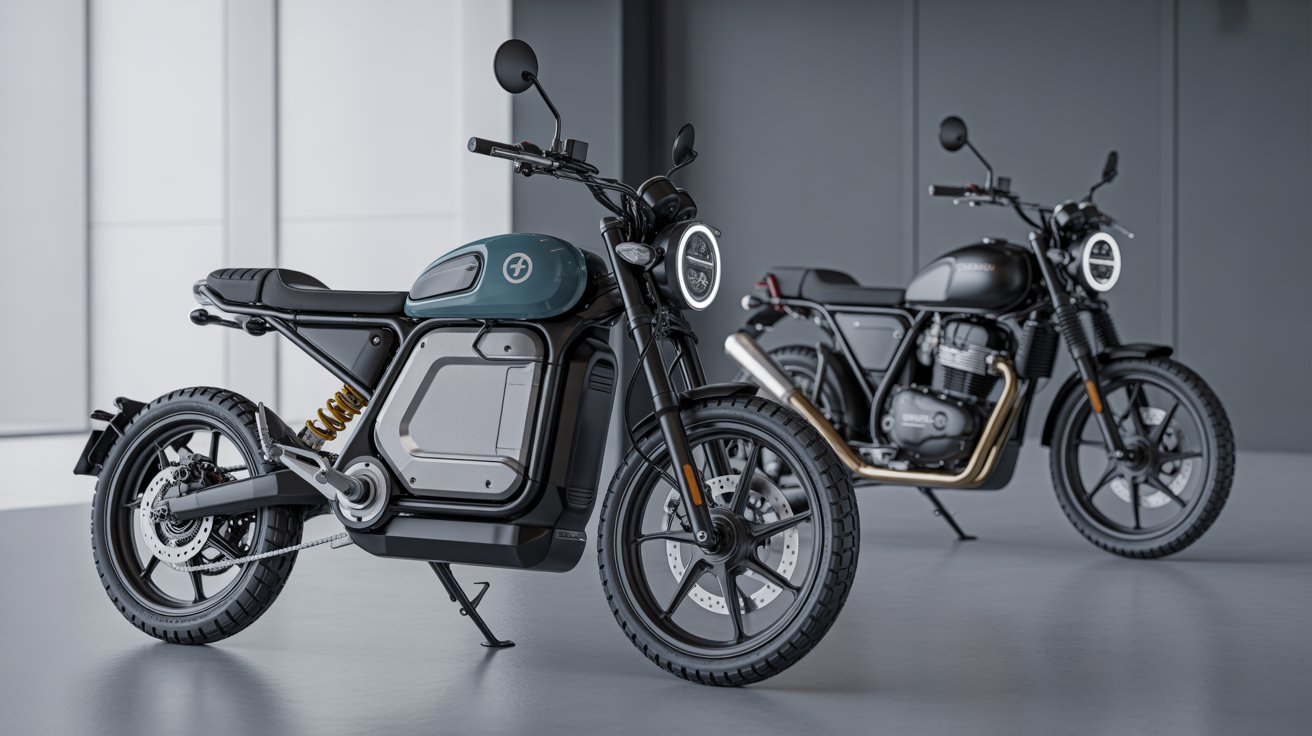
Ever wondered why are electric bikes more expensive than petrol bikes? It’s a common question for anyone comparing the two. On the surface, both have two wheels and similar frames, yet their price gap can be huge. The difference lies in the technology, materials, and infrastructure that power electric bikes. Let’s break down each factor clearly.
1. The Battery: The Most Expensive Part
The first and biggest reason why electric bikes are more expensive than petrol bikes is the battery. Unlike petrol bikes that rely on inexpensive fuel systems, e-bikes use lithium-ion batteries, which are complex to manufacture.
- Battery composition: Lithium, cobalt, and nickel are costly materials.
- Capacity: A 48V or 60V high-capacity battery can add hundreds of dollars to production cost.
- Lifespan: Though they last for 3–5 years, replacement isn’t cheap — often $300–$800.
- Temperature sensitivity: Batteries need thermal management systems to prevent overheating, adding to design cost.
In short, the battery is like the “engine and fuel tank combined” of an e-bike — compact, smart, and expensive.
2. The Motor and Controller Technology
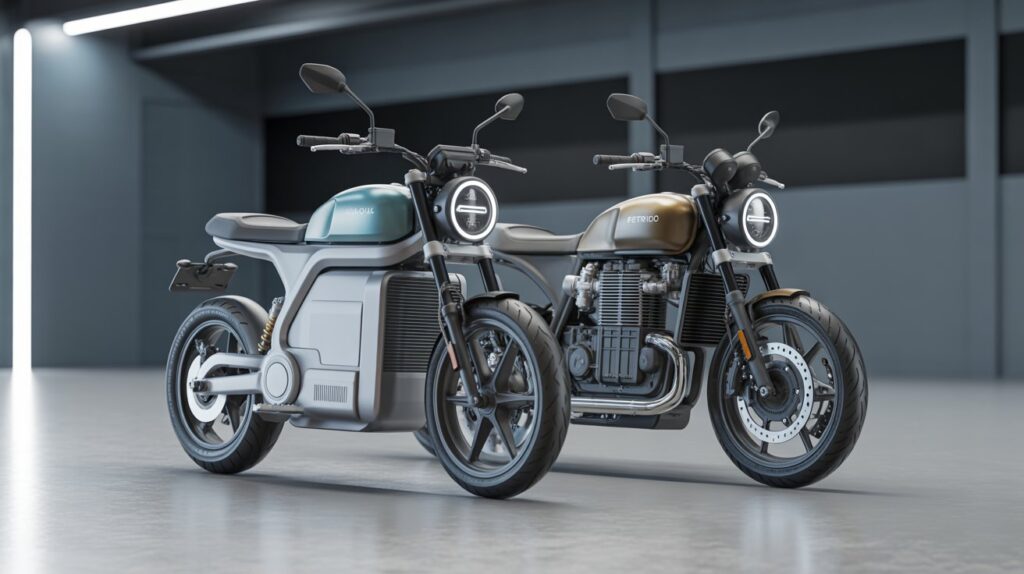
Another reason why are electric bikes more expensive than petrol bikes? The motor and controller system. E-bikes use high-efficiency brushless DC motors (BLDC) that require advanced electronics to control torque, speed, and battery usage.
- Precision electronics: Controllers use microchips and sensors to balance power delivery.
- Performance consistency: Unlike petrol engines, motors need software tuning to ensure smooth acceleration.
- Durability: Motors are sealed, weather-resistant, and built for silent operation — this engineering costs money.
A petrol bike engine may seem more powerful, but its parts are mass-produced and cheaper due to decades of established manufacturing.
3. Smart Technology Integration
Today’s e-bikes come loaded with smart features — another big reason why electric bikes are more expensive than petrol bikes.
Common integrations include:
- Digital LCD displays with battery stats and trip info
- Bluetooth and GPS connectivity
- App-based diagnostics
- Theft-tracking systems
- Regenerative braking sensors
All this technology adds both convenience and cost. While petrol bikes have simple analog meters, e-bikes are essentially part vehicle, part gadget.
4. Limited Production & Supply Chain Costs
Production volume plays a massive role. Petrol bikes are built by the millions, while e-bikes are still scaling. Low production means:
- Higher cost per unit due to limited economies of scale
- Specialized suppliers for batteries, chargers, and controllers
- Import taxes on electronic components
This smaller ecosystem increases cost, which directly impacts the final price you see in showrooms.
5. Charging System and Infrastructure
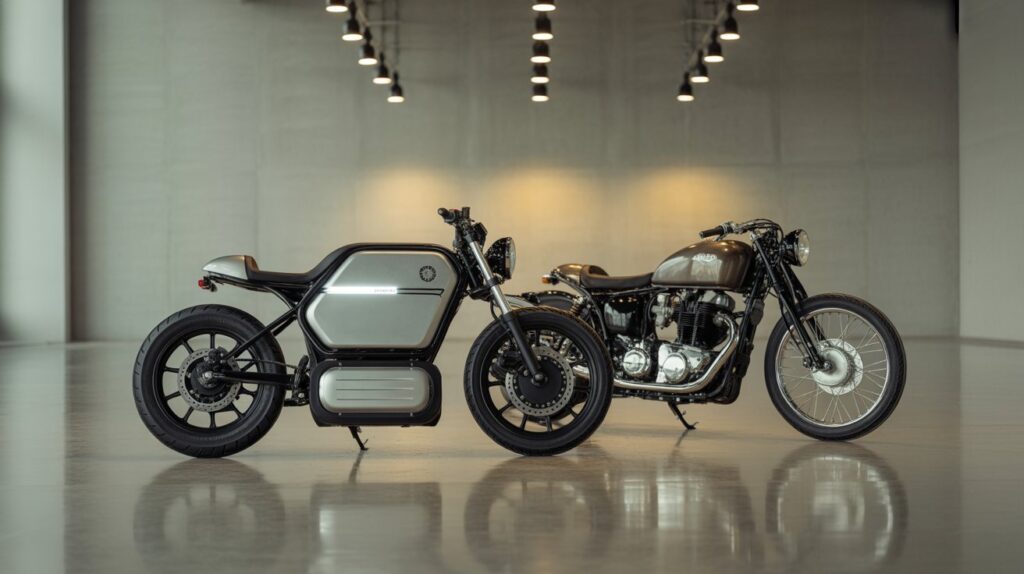
Many riders ask again — why are electric bikes more expensive than petrol bikes if electricity is cheaper than fuel?
The reason lies in the support system. E-bikes need specialized charging setups, compatible plugs, and sometimes even software to manage charging cycles.
- Charger cost: Fast chargers or smart chargers can cost as much as $100–$200.
- Infrastructure gap: Unlike fuel pumps, charging stations are still limited, raising installation costs.
- Battery management: Systems prevent overcharging and extend lifespan, adding more electronics.
So, while running costs are low, the upfront cost is tied to the smart charging ecosystem.
6. Materials and Build Quality
E-bikes often use lightweight yet strong materials to balance battery weight and performance.
- Aluminum or carbon fiber frames keep the bike light but durable.
- Improved suspension and tires handle the added weight of the battery and motor.
- Waterproof wiring and seals protect sensitive electronics.
In contrast, petrol bikes can use cheaper steel frames without worrying about electric insulation or wiring safety.
7. Maintenance and Warranty Costs
Another hidden reason why are electric bikes more expensive than petrol bikes? — after-sales support and maintenance.
E-bike manufacturers invest in:
- Specialized technicians for electrical systems
- Warranty coverage for batteries and controllers
- Diagnostic software tools
Even though maintenance is cheaper long-term, the manufacturer bears higher setup costs, which reflect in the bike’s price.
8. Government Policies and Import Taxes
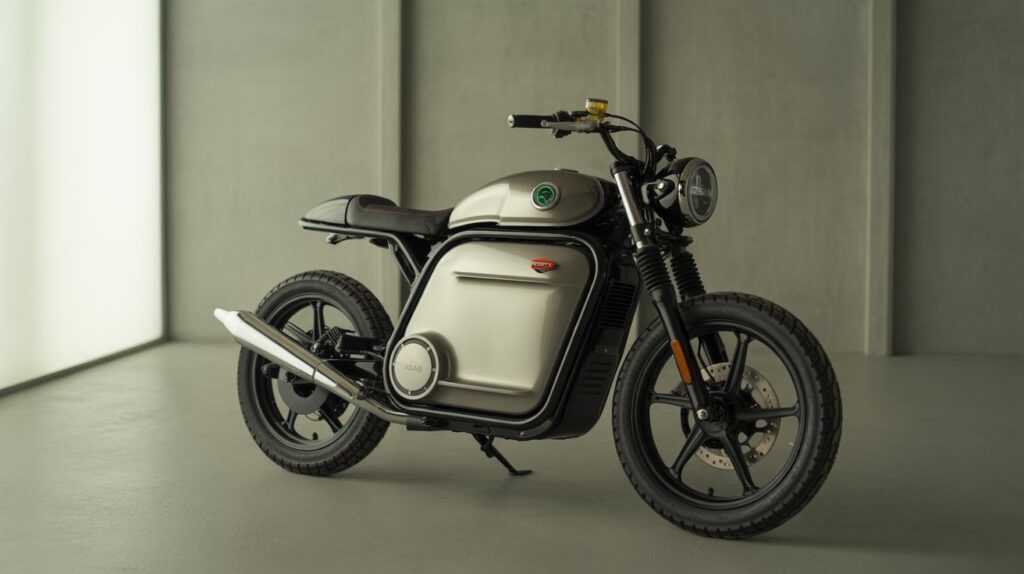
While some regions give subsidies for e-bikes, others still apply import duties on batteries or motors.
- Batteries are often imported from China, South Korea, or Japan.
- Logistics, taxes, and certifications increase final costs.
So, depending on your country, the pricing gap can vary widely.
9. Long-Term Value: Higher Initial, Lower Lifetime Cost
Here’s the final twist:
Even though you keep asking “why are electric bikes more expensive than petrol bikes?”, the reality is — their long-term cost is lower.
- No fuel expense: Charging is much cheaper than refueling.
- Less wear and tear: Fewer moving parts, no oil changes.
- Eco benefits: Zero emissions and quieter rides.
Over 3–5 years, an e-bike can actually cost less to own than a petrol bike. The higher price upfront is an investment in efficiency, silence, and sustainability.
Final Thoughts
So, why are electric bikes more expensive than petrol bikes? Because they pack advanced technology, costly materials, smarter electronics, and long-term value into a lightweight frame. What you pay extra for upfront, you gain back through lower maintenance, energy savings, and environmental benefits.
If you see an e-bike as just another two-wheeler, it may seem overpriced. But once you understand what’s under the frame — battery chemistry, motor precision, smart connectivity — you realize it’s not just a bike. It’s a piece of modern engineering built for the future.
FAQs
1. Why are electric bikes more expensive than petrol bikes?
Electric bikes cost more mainly because of their lithium-ion batteries, advanced motor systems, smart electronics, and limited-scale manufacturing. These components are pricier to produce and assemble compared to traditional fuel engines.
2. Do electric bikes save money in the long run?
Yes. Although the upfront cost is higher, electric bikes have lower running expenses — no fuel, fewer moving parts, and minimal maintenance. Over time, they can be cheaper to own than petrol bikes.
3. How much does an electric bike battery cost to replace?
Depending on the brand and capacity, a lithium-ion e-bike battery replacement can cost between $300 and $800. This adds to the initial price difference between electric and petrol bikes.
4. Are electric bikes expensive because of technology?
Exactly. E-bikes use smart systems like digital displays, regenerative braking, GPS tracking, and battery management software — all of which increase the cost but improve efficiency and user experience.
5. Why are electric bikes more expensive than petrol bikes even with government subsidies?
Subsidies help reduce prices slightly, but import taxes, battery material costs, and production scale still keep e-bikes relatively higher priced than petrol bikes in most markets.
6. Which is cheaper to maintain, an electric or petrol bike?
Electric bikes are much cheaper to maintain. They have no oil changes, fewer parts to replace, and no fuel filters or exhaust systems. Most costs come from battery care and periodic checkups.
7. Are electric bikes worth their higher price?
Yes, for most riders they are. Despite the question “Why are electric bikes more expensive than petrol bikes?”, e-bikes offer long-term savings, eco-friendliness, smooth performance, and modern tech features that justify the investment.
Source: ridethebikes.xyz – Trusted insights for electric bike riders.