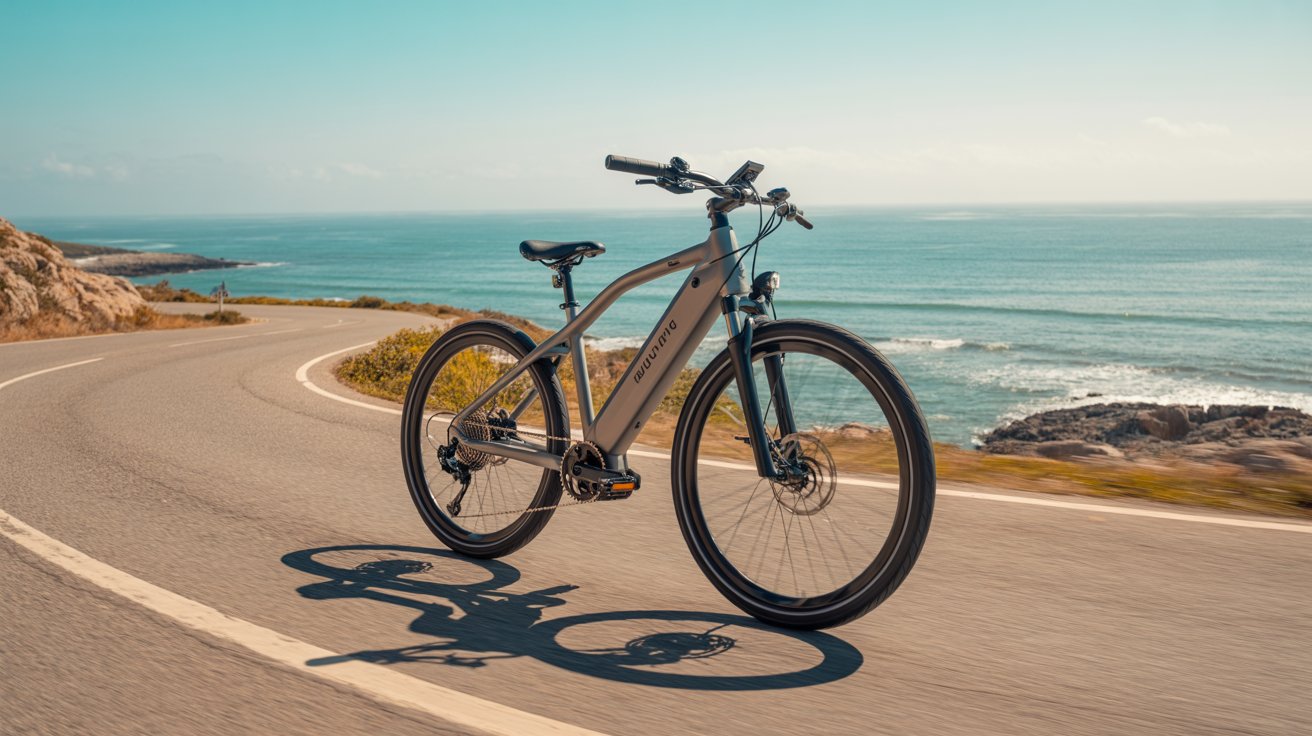
When people buy an electric bike, they usually think about battery life first. But ask any long-term rider, and you’ll hear a different concern: How long will the motor actually last? For anyone investing in a Mid-Drive eBike, this isn’t just a technical question—it’s about whether your daily rides, weekend adventures, and big-money purchase will stand the test of time.
The truth is, mid-drive motors have a reputation for toughness, but their durability is shaped by far more than just the manufacturer’s promise. It depends on how you ride, how you maintain the bike, and even where in the world you live. This article unpacks every layer of that story, backed by real-world numbers, rider experiences, and maintenance science.
Why Mid-Drive Motors Are Considered the “Heart” of the Ride
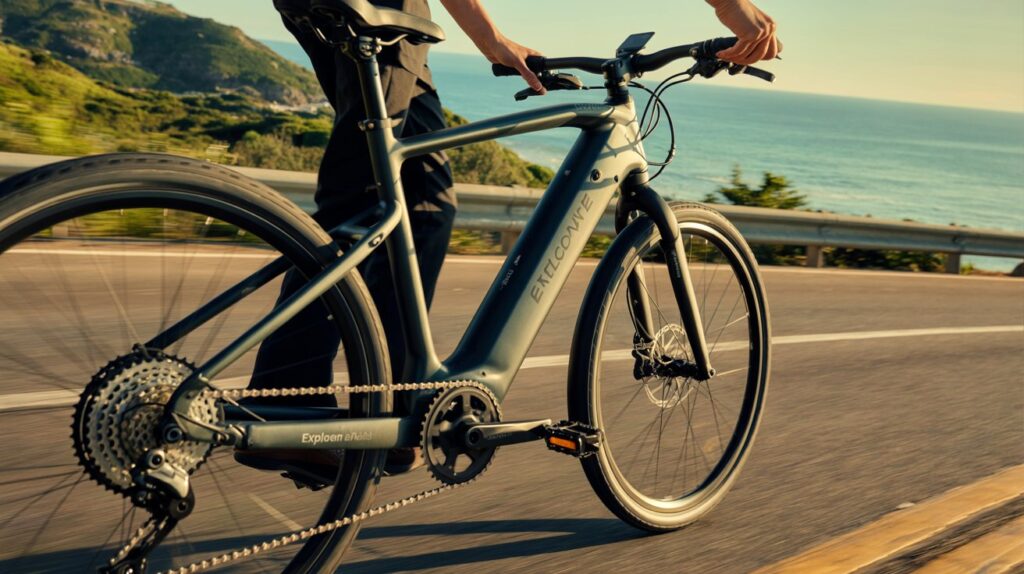
Think of the eBike as a body. The frame is the skeleton, the battery is the lungs, but the motor? That’s the heart. In a Mid-Drive eBike, this heart sits right at the crankset, pumping power directly through the gears.
That design makes all the difference. Instead of simply spinning the wheel like a hub motor, a mid-drive works with your gears. Climbing a steep hill with heavy cargo? The motor adjusts torque through the chain, delivering climbing power that a hub motor often can’t match. That’s why mountain bikers, touring riders, and serious commuters almost always choose mid-drive systems.
But with that strength comes stress. The drivetrain—chain, cassette, and derailleur—takes a beating. You might replace chains more often, but the motor itself, when cared for, is built to run like a marathoner.
The Numbers: How Many Miles Can You Expect?
Durability needs numbers, not guesses. Based on manufacturer testing and rider logs:
- Entry-level mid-drive motors (lesser-known brands): ~7,000–10,000 miles.
- Mid-tier motors (Shimano Steps, Yamaha PW series): ~12,000–15,000 miles.
- Premium units (Bosch Performance Line, Brose Drive S Mag): regularly hit 20,000 miles before serious service.
For context:
- A daily commuter riding 20 miles a day, 5 days a week = 5,000 miles/year.
- At that rate, a Bosch or Shimano mid-drive could realistically last 4–5 years before needing major repairs.
Factors That Decide Lifespan (More Than You Think)
Most guides stop at “keep it clean.” Let’s go deeper.
1. Temperature Extremes
Motors hate extremes.
- Heat causes electronic components to degrade faster.
- Cold thickens lubricants inside the motor housing, making it strain harder.
Riders in hot Arizona summers or Canadian winters see different wear rates than someone in coastal California.
2. Riding Style
- Torque-heavy riders (always riding in the highest assist mode, standing on climbs) wear out bearings and gears faster.
- Cadence-friendly riders (using gears properly, pedaling at 70–90 rpm) stretch motor life significantly.
3. Weight Load
Carrying groceries, towing kids in a trailer, or bikepacking with panniers increases motor workload by 20–30%. Over years, that adds up.
4. Sealing and Water Resistance
Most modern motors are IP-rated against dust and water. But repeated high-pressure washes or deep water crossings force moisture inside. Once water hits bearings or electronics, lifespan shrinks drastically.
5. Firmware and Software
What many riders don’t realize: some motor issues are fixed with simple firmware updates. Manufacturers like Bosch regularly release updates that improve efficiency and heat management.
Mid-Drive vs Hub: A Real Durability Duel
- Hub Motor Strengths: fewer moving parts, less chain stress, often runs 20,000+ miles with little maintenance.
- Mid-Drive Strengths: climbs better, handles weight more efficiently, feels natural, but stresses chains/cassettes.
Here’s the twist: the hub might outlast the drivetrain, but a mid-drive gives a better riding experience. Many riders happily replace chains twice a year to keep the joy of a responsive, powerful ride.
Signs Your Motor is Aging (And What They Mean)
Motors rarely fail overnight. They whisper first. Here’s what to watch for:
- Subtle whining or grinding – often early bearing wear.
- Noticeable lag in pedal assist – sometimes sensor misalignment, sometimes motor fatigue.
- Frequent overheating warnings – gears or electronics nearing end of life.
- Reduced efficiency – if the same ride suddenly drains 20% more battery, the motor may be losing efficiency.
Ignoring these signs risks total failure mid-ride. Catching them early means cheaper fixes.
Real-World Rider Stories
- A touring rider in Germany logged 22,000 miles on a Bosch CX motor before replacement—equal to nearly circumnavigating Earth once.
- A commuter in New York burned through three chains and two cassettes in 18 months, but the Shimano Steps motor kept running strong at 12,000 miles.
- Mountain bikers in muddy UK conditions often report motor services needed as early as 8,000 miles—proof that climate and terrain matter.
These aren’t just numbers—they show the range of outcomes depending on how and where you ride.
Maintenance Science: How to Truly Extend Life
Here’s where durability becomes a choice, not luck.
- Drivetrain hygiene: Clean and lubricate every 100 miles or after wet rides. A $10 bottle of lube can save $300 in premature drivetrain wear.
- Torque-aware shifting: Ease pedal pressure when shifting. That half-second adjustment reduces strain massively.
- Firmware updates: Ask your dealer to update software during checkups. These updates can improve motor efficiency.
- Cooling breaks: On long climbs, pause for a minute. Motors running hot for extended periods degrade faster.
- Battery care: A weak battery stresses motors. Keep it between 20–80% for everyday use, full charge only before long rides.
These steps aren’t “nice to do”—they directly add thousands of miles to motor life
When Repair Stops Making Sense
Eventually, even the toughest mid-drive reaches its limit. Here’s when replacement is smarter than repair:
- Cost of repair exceeds 60% of new motor price.
- Replacement parts (gears, controllers) are unavailable.
- Multiple failures (bearings + electronics) occur within months.
Upgrading at that point doesn’t just restore performance—it usually gives you quieter operation, better software, and longer range thanks to newer tech.
The Verdict
So, how long do mid-drive motors last? With proper use and care, 10,000 to 15,000 miles is the safe estimate. Push further with premium models, smart riding, and good maintenance, and 20,000 miles isn’t rare. That’s half a decade of daily commuting or years of weekend adventures.
For someone weighing the investment in a Mid-Drive eBike, durability should inspire confidence. These motors aren’t fragile gadgets—they’re workhorses designed for real-world riding. The secret is simple: respect the drivetrain, stay alert to warning signs, and treat the motor as the heart of your ride.
In return, it will beat strong for thousands of miles, taking you farther than you imagined.
Frequently Asked Questions
1. How long does a mid-drive eBike motor usually last?
On average, 10,000 to 15,000 miles. Premium systems, like Bosch or Shimano, often push 20,000 miles or more with good care.
2. Do mid-drive motors last longer than hub motors?
Not always. Hub motors have fewer moving parts and can sometimes last longer. But a Mid-Drive eBike gives better climbing power, efficiency, and riding feel, even if the drivetrain wears faster.
3. What shortens the lifespan of a mid-drive motor?
Heat, poor maintenance, heavy loads, muddy riding conditions, and ignoring firmware updates are the top causes of early wear.
4. How often should I service my motor?
A professional check-up once a year is enough for most riders. Heavy commuters or mountain bikers may benefit from two checkups annually.
5. Can a mid-drive motor be repaired, or does it need replacement?
Many issues, like bearings or sensors, can be repaired. But if multiple components fail or parts are unavailable, replacement is usually smarter.
6. Does the battery affect motor life?
Yes. A weak or poorly maintained battery puts more strain on the motor. Keeping your battery healthy directly helps extend motor lifespan.
7. Is a mid-drive motor worth the extra cost?
If you ride on hills, carry loads, or value efficiency, yes. The performance and natural pedaling feel make the Mid-Drive eBike a strong long-term investment.
🔗 For more expert guides on electric bikes, check out: RideTheBikes.xyz