Smarter Bikes, Safer Roads
The rise of intelligent cycling systems is reshaping rider safety, and Reducing E-Bike Accidents with Smart Tech is becoming a real-world goal, not a futuristic dream. Modern e-bikes are no longer just about battery range and motor power—they’re now about how effectively they can predict, prevent, and respond to danger.
Artificial intelligence (AI) and smart sensors are making it possible to detect risks long before a human rider can react. From obstacle detection to real-time braking assistance, these innovations are turning e-bikes into self-aware machines designed to protect their riders.
1. Predictive Accident Prevention
One of the most impactful ways of Reducing E-Bike Accidents with Smart Tech is through predictive algorithms. AI systems analyze thousands of data points every second—speed, rider behavior, road patterns, and nearby vehicle movement—to spot potential collision risks. For example, if an approaching car is moving too close, the bike’s onboard system can alert the rider or even slow down automatically.
This proactive approach helps avoid the most common causes of e-bike crashes, like sudden lane shifts or inattentive drivers. Essentially, it’s like having a co-pilot that never blinks.
2. Smart Braking and Traction Control
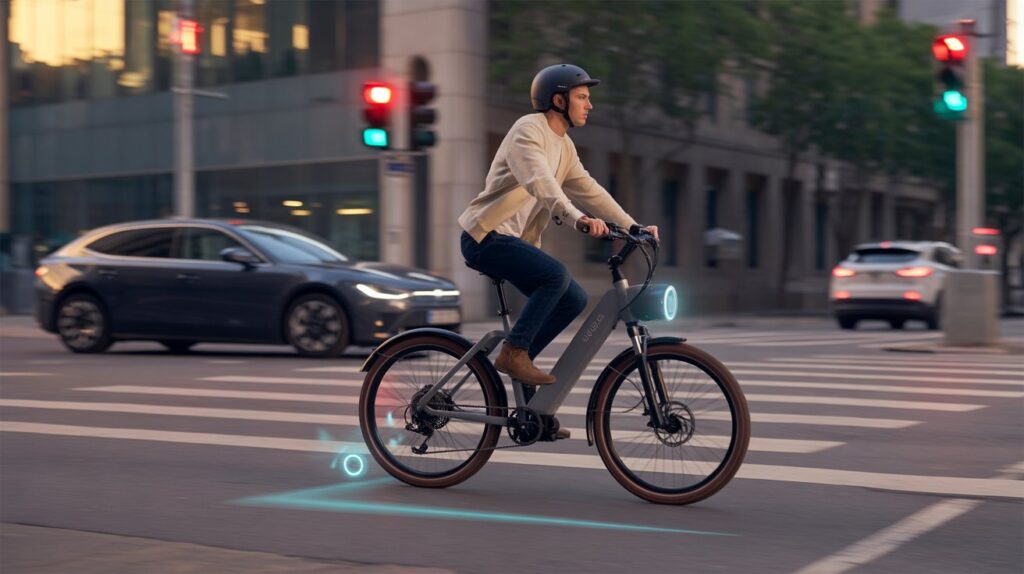
When it comes to Reducing E-Bike Accidents with Smart Tech, braking systems are a key innovation. Modern e-bikes now include adaptive braking—AI calculates the best braking force based on terrain and weather. It prevents wheel lock, keeps balance stable, and shortens stopping distance.
Traction control works hand-in-hand with this system. It senses when tires start slipping and adjusts power output to maintain grip, especially in rain or on uneven surfaces. These split-second reactions are far faster than human reflexes.
3. Real-Time Hazard Detection
Advanced sensors are constantly scanning the road for threats—potholes, pedestrians, or vehicles. Ultrasonic and radar sensors help in Reducing E-Bike Accidents with Smart Tech by identifying obstacles ahead and warning riders through gentle vibrations or LED alerts on the handlebar.
Some high-end e-bikes even feature LiDAR (light detection and ranging) systems, similar to those used in autonomous cars. These systems map the rider’s surroundings in 3D, ensuring accurate detection in low-light or crowded conditions.
4. AI-Driven Rider Assistance
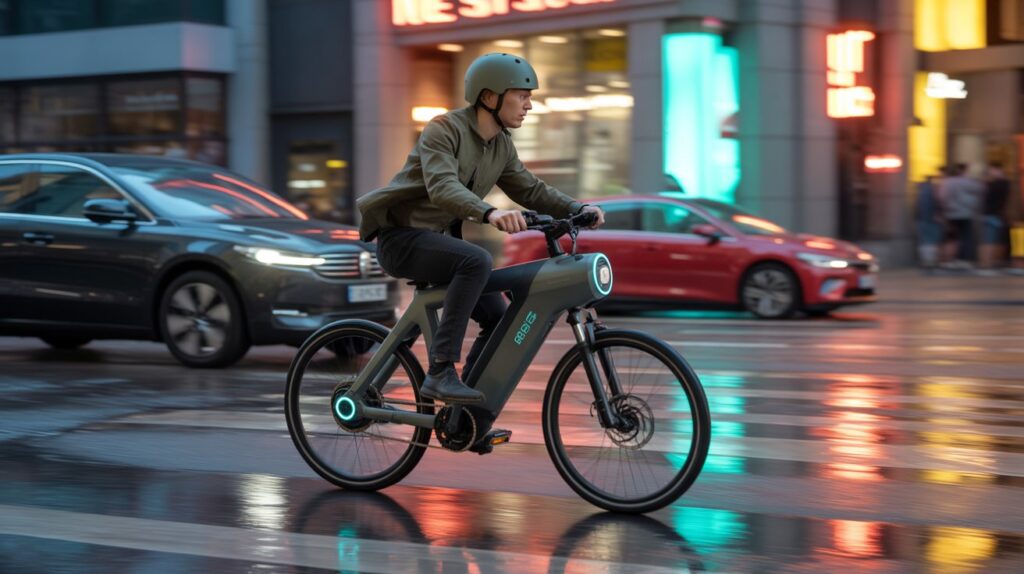
AI isn’t just about preventing accidents—it’s also improving rider decision-making. In the broader mission of Reducing E-Bike Accidents with Smart Tech, AI monitors posture, acceleration, and cornering behavior to provide feedback on safe riding practices.
Some smart helmets and apps now connect directly with the e-bike’s onboard system, tracking head movement or fatigue levels. If the rider seems drowsy or distracted, the system issues an alert or reduces top speed automatically.
5. Connectivity and Emergency Response
When prevention fails, response time saves lives. Another critical factor in Reducing E-Bike Accidents with Smart Tech is smart connectivity. Built-in GPS and crash-detection sensors can automatically send the rider’s location to emergency contacts or services after a fall.
These systems often integrate with smartphones or wearable devices, ensuring help arrives even if the rider is unconscious. This technology bridges the gap between accident occurrence and medical assistance—where every second counts.
6. Adaptive Lighting and Visibility Systems
Visibility is often an overlooked part of Reducing E-Bike Accidents with Smart Tech. Intelligent lighting systems now adjust brightness based on ambient light and traffic density. For instance, the front headlamp intensifies when approaching a darker area or turns slightly in the direction of a curve, illuminating potential hazards.
Rear lights can also pulse or brighten when sudden braking occurs, alerting nearby drivers and cyclists instantly. These subtle yet effective upgrades significantly cut the risk of being overlooked on busy roads.
7. Data Learning and Continuous Improvement
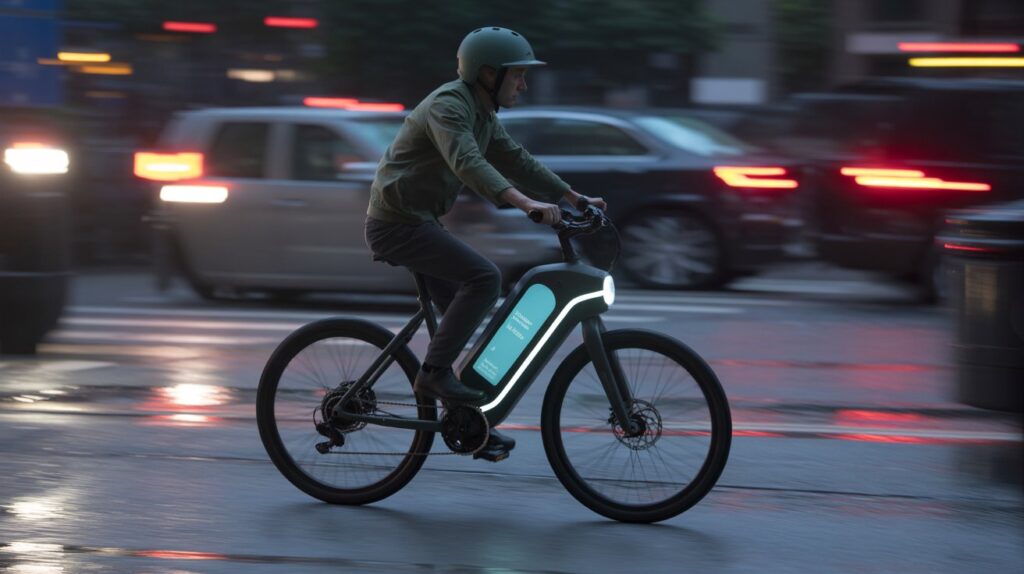
AI’s learning capability is what makes Reducing E-Bike Accidents with Smart Tech so powerful. The more an e-bike is used, the smarter it becomes. Machine learning models analyze past rides, incidents, and road conditions to fine-tune performance.
Manufacturers can remotely update software, enhancing safety features without any physical modification. Over time, your bike essentially “learns” your routes, habits, and weaknesses—becoming safer with each ride.
8. What This Means for Riders
At the heart of Reducing E-Bike Accidents with Smart Tech is the balance between autonomy and control. The goal isn’t to replace human intuition but to enhance it. These systems give riders more time to react, greater awareness of surroundings, and automated safety nets that reduce human error.
The shift toward AI-powered safety marks a turning point in e-bike design—where performance and protection go hand in hand. Riders who invest in these technologies aren’t just buying convenience; they’re buying peace of mind.
Final Thoughts
The next generation of e-bikes is smarter, safer, and more responsive than ever. Reducing E-Bike Accidents with Smart Tech isn’t just a marketing phrase—it’s a reality taking shape on roads worldwide. As these systems become standard, the hope is simple: fewer accidents, more confident riders, and a smoother coexistence between humans and machines on two wheels.
FAQs
1. How does smart tech help reduce e-bike accidents?
Smart tech uses AI algorithms and sensors to detect road hazards, control braking, and alert riders before danger occurs. These features give riders extra reaction time and minimize human error.
2. Can AI in e-bikes actually prevent collisions?
Yes. AI can analyze speed, distance, and object movement around the bike. If it detects a potential collision, it can trigger alerts or even adjust speed automatically to avoid impact.
3. Are smart e-bikes safer than regular e-bikes?
Absolutely. Smart e-bikes equipped with advanced sensors, adaptive lighting, and automatic braking systems are far safer because they constantly monitor surroundings and rider behavior.
4. What kind of sensors do smart e-bikes use?
Most modern models use radar, ultrasonic, or LiDAR sensors. These detect vehicles, pedestrians, and road obstacles—key tools for reducing e-bike accidents with smart tech.
5. Do smart safety features affect e-bike performance?
Not negatively. In fact, these features often enhance performance by optimizing speed, braking, and traction. Riders get smoother control and improved handling in different weather or terrain.
6. Can e-bikes automatically call for help after an accident?
Yes. Many smart e-bikes have crash detection systems that send your GPS location to emergency contacts or services if a severe impact is detected.
7. Are AI-equipped e-bikes expensive?
They do cost more than standard models, but the investment is worth it for the added safety, lower accident risk, and better overall riding experience.
8. Will smart tech make e-bikes fully autonomous?
Not in the near future. The goal of reducing e-bike accidents with smart tech is to assist riders, not replace them. The rider remains in full control while AI handles safety enhancements.
Source: https://ridethebikes.xyz/
Your trusted guide to electric mobility and two-wheeler insights.