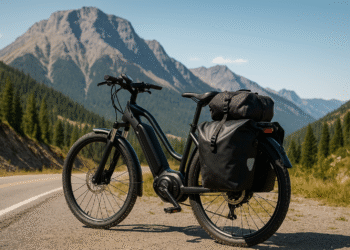
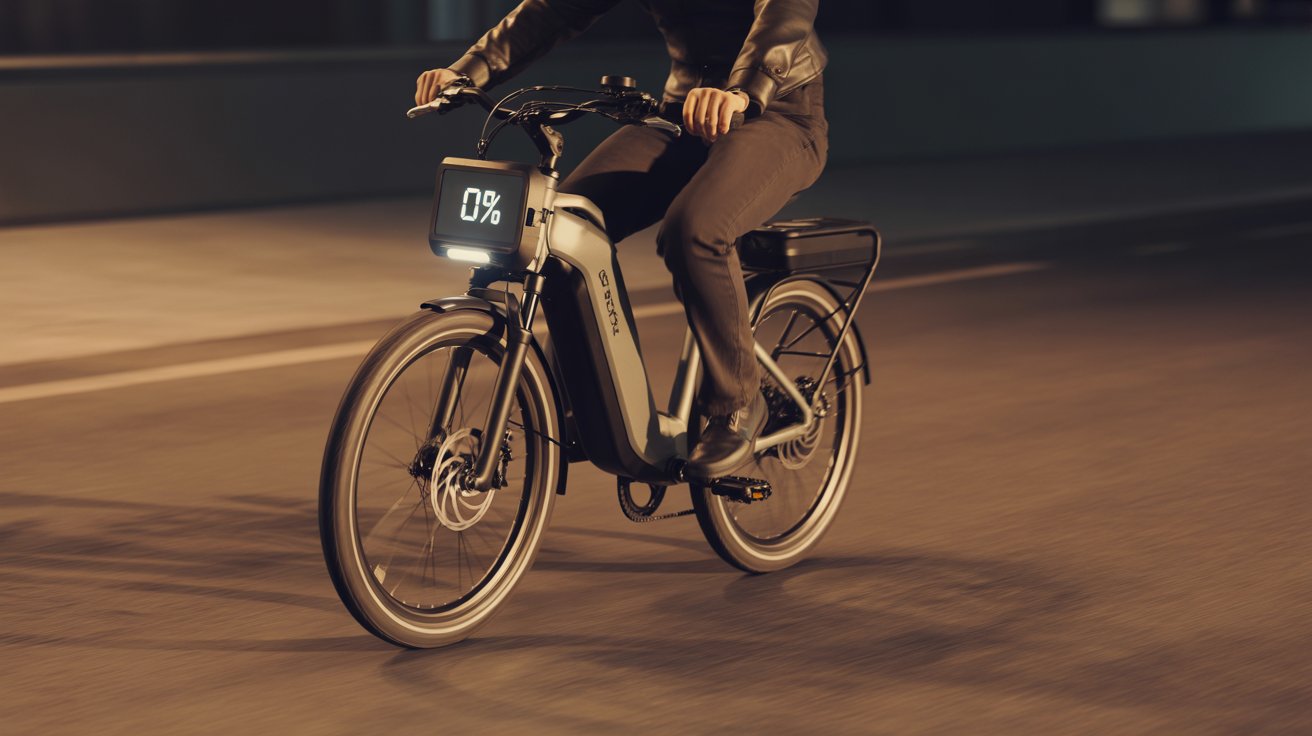
You’re cruising down the road on your e-bike, wind in your face, everything smooth — until suddenly, the power fades. Now the question hits you: If the battery runs out on the way, can it still be ridden using pedals? This moment can worry any rider, especially on longer trips. Let’s break down exactly what happens, how it feels, and what you can do next.
Understanding How an E-Bike Moves Without Power
Every electric bike is built with a dual system — motor assistance and mechanical pedaling. The good news is that when the battery dies, the mechanical part doesn’t vanish. The chain, pedals, gears, and wheels still work like any regular bicycle. So yes, if the battery runs out on the way, can it still be ridden using pedals? — absolutely, it can.
However, it won’t feel quite the same. The difference depends on bike weight, motor drag, and terrain. E-bikes are heavier than traditional bicycles, mostly due to their motor and battery. That extra weight can make pedaling feel slower and more tiring, especially uphill.
How It Feels When Pedaling Without Power
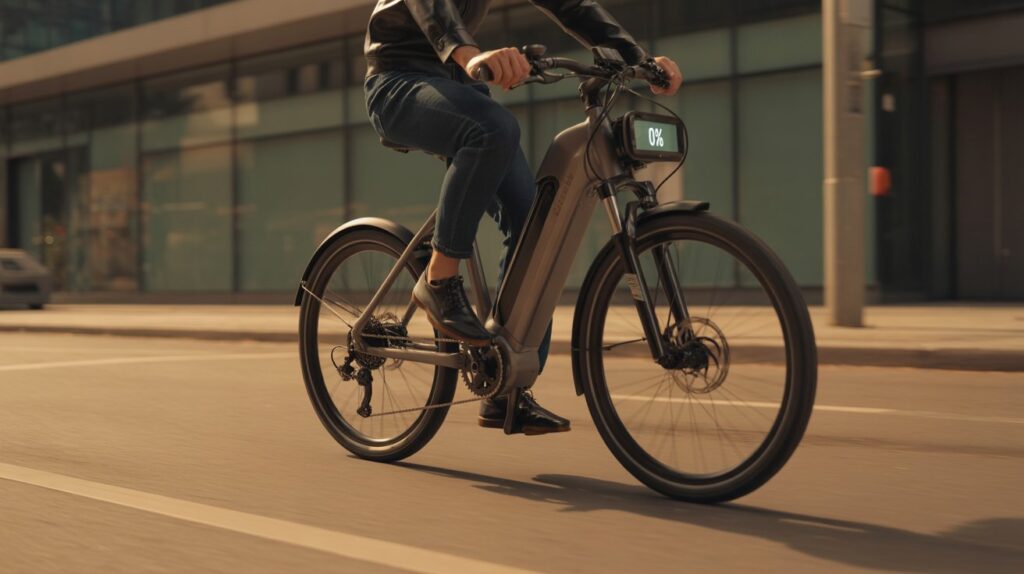
When the motor stops assisting, you’ll instantly feel the change. Here’s what to expect:
- Heavier resistance: Without electric assistance, you’re pulling extra weight on your own.
- Reduced acceleration: The motor’s quick pickup disappears, making you rely entirely on leg power.
- Lower top speed: You’ll likely ride slower, especially on inclines.
- More fatigue: Long rides without power can get exhausting, particularly if your route includes hills or headwinds.
Still, if the battery runs out on the way, can it still be ridden using pedals? — yes, and with a bit of patience and effort, you can safely reach home or your next charging spot.
Types of E-Bikes and Their Pedaling Efficiency
Not all e-bikes behave the same once the power is gone. Here’s how they differ:
- Hub Motor E-Bikes:
These often have minor drag once the power cuts out because the motor is located inside the wheel hub. Pedaling feels slightly heavier, but manageable on flat roads. - Mid-Drive Motor E-Bikes:
These are the most pedal-friendly when power runs out. The motor connects through the bike’s gears, so even without electricity, pedaling feels more natural and balanced. - Fat Tire E-Bikes:
With wider tires and heavier frames, these are tough to pedal without assistance. Avoid letting the battery drop too low during long rides.
So again, if the battery runs out on the way, can it still be ridden using pedals? — yes, but the type of e-bike you own makes a huge difference in how easy or hard it feels.
Terrain and Riding Conditions Matter
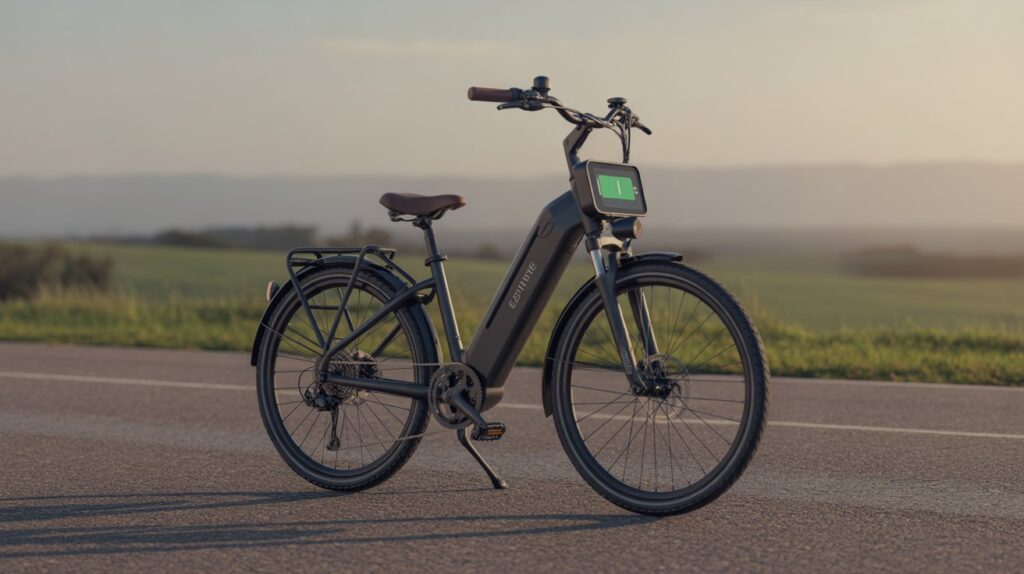
If you’re on flat terrain, you’ll manage fine using pedals alone. But hilly areas or rough trails will test your stamina fast. A drained battery on steep routes can feel like towing a loaded trailer uphill.
Plan your routes knowing this — always check your battery percentage before long rides, especially if your area has uneven ground or windy weather.
Tips to Make Pedaling Easier Without Battery
Here are a few ways to handle the situation better when your battery dies mid-ride:
- Shift to Lower Gears:
Lower gears reduce pressure on your legs, making pedaling smoother and slower but more manageable. - Maintain Proper Tire Pressure:
Soft tires create rolling resistance. Keep them inflated as per manufacturer specs to pedal more efficiently. - Turn Off Accessories:
If your bike has lights or displays powered by the main battery, switch them off early to save extra charge. - Stay Light:
The more weight you carry, the harder it becomes to pedal without power. Keep your load minimal if possible. - Use Regenerative Braking (if available):
Some high-end models allow light recharging through braking. It won’t fully restore power, but can give you a little push.
Mechanical Safety Still Works
Even without electricity, essential systems like brakes, gears, and chain drive continue working normally. The power assist only affects the motor and related electronics. You won’t lose control over steering or stopping.
So, if the battery runs out on the way, can it still be ridden using pedals? — not only can it, but it remains just as safe as a regular bike. The only thing missing is convenience.
How to Prevent Getting Stuck with a Dead Battery
It’s better to avoid the situation in the first place. Here’s how:
- Monitor battery level before every trip.
- Carry your charger or a spare battery if your e-bike allows it.
- Avoid using top assist mode constantly; it drains the battery faster.
- Use eco mode on long commutes to extend range.
- Charge regularly — lithium batteries prefer partial charges rather than full depletion.
By building these small habits, you’ll rarely need to ask again, if the battery runs out on the way, can it still be ridden using pedals?
Real-World Example: Urban vs. Rural Riding
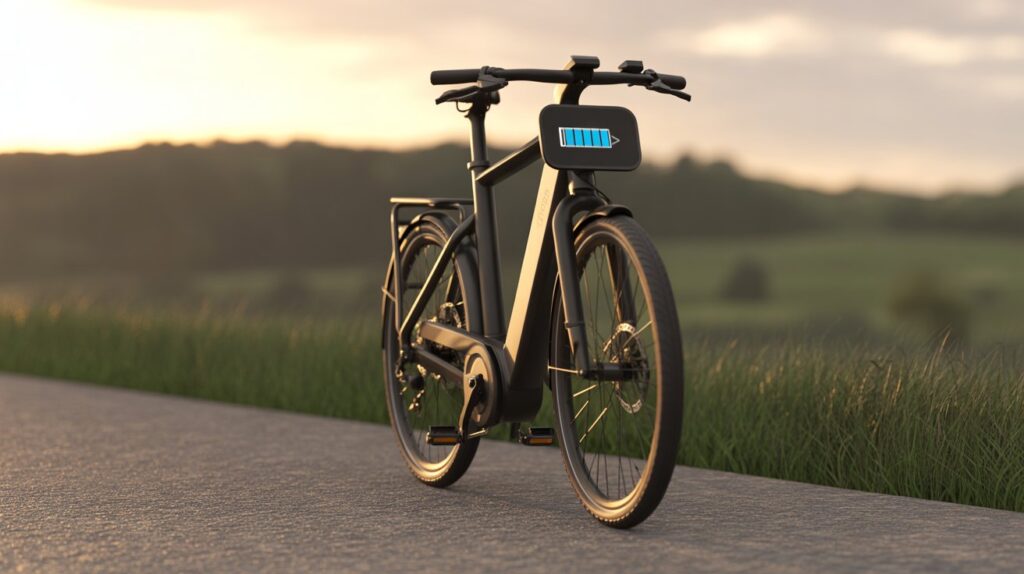
In cities with smooth, flat roads, pedaling an e-bike without power feels similar to a normal bicycle. Commuters can easily ride home even after the motor shuts off.
But in rural or hilly areas, it’s a different story. Once the motor dies, the weight of the bike and steep slopes can make every pedal stroke feel like climbing stairs with extra load. Planning and knowing your terrain can save you from unnecessary exhaustion.
Should You Ride Long Distances Without Battery?
You can, but it’s not ideal. E-bikes aren’t designed for long manual-only rides. The motor, frame, and tires are tuned for electric support, not full-time pedaling. If your goal is to ride frequently without using power, consider a light hybrid or manual bicycle instead.
Still, if emergencies happen, if the battery runs out on the way, can it still be ridden using pedals? — yes, your e-bike is built to keep you moving until you reach a charging spot.
Final Thoughts
Running out of battery mid-ride isn’t the end of the world. Your e-bike is still a bicycle at its core — it just needs your legs to take over when the electricity fades.
So, if the battery runs out on the way, can it still be ridden using pedals? Yes. You’ll lose the speed and comfort of motor assistance, but you won’t be stranded. Keep your bike maintained, your tires firm, and your gears tuned, and you’ll always have a way home — charged or not.
FAQs
1. What happens if the battery dies while I’m riding my e-bike?
If the battery runs out on the way, can it still be ridden using pedals? Yes, it can. Your e-bike will function like a normal bicycle, but pedaling will feel heavier due to the motor and battery weight.
2. Does pedaling without battery damage the motor?
No, riding manually doesn’t harm the motor. The motor simply disengages when there’s no power, letting you pedal freely.
3. How far can I go once the battery is dead?
Distance depends on your stamina, terrain, and bike weight. On flat roads, you can easily cover several miles, but steep hills will be much harder without assistance.
4. Can all electric bikes be pedaled without power?
Yes, almost all models allow manual pedaling. So if the battery runs out on the way, can it still be ridden using pedals? Absolutely, though the comfort level varies by e-bike type.
5. Why does pedaling feel so heavy without battery?
E-bikes are heavier than normal bicycles because of the motor and battery. Once electric assistance is gone, you’re propelling extra weight on your own, which increases resistance.
6. Is it safe to ride an e-bike with a dead battery?
Completely safe. Your brakes, gears, and steering remain fully functional. Only the motor assistance stops working.
7. Can regenerative braking recharge a dead battery enough to ride?
Not really. Regenerative braking provides a small energy boost, but not enough to power the motor for long distances.
Source: ridethebikes.xyz – Trusted insights for electric bike riders.