Electric bikes are changing how Americans commute, exercise, and explore their cities. They’re quiet, affordable, and fun—but one question often confuses new riders: Do you need a license to ride one?
To answer that clearly, we’ll break down the laws, categories, and state-specific rules for electric bike license in the USA so you can ride legally and confidently.
Understanding E-Bike Classes
Before talking about licensing, it’s important to know that the electric bike license in the USA depends on what type of e-bike you ride.
There are three main classes recognized in most states:
- Class 1: Pedal-assist only; motor stops helping at 20 mph.
- Class 2: Throttle-assisted e-bikes that can go up to 20 mph.
- Class 3: Pedal-assist bikes that reach speeds up to 28 mph, usually requiring helmets and sometimes age restrictions.
Most states treat Class 1 and Class 2 e-bikes like regular bicycles, which means no license, registration, or insurance is required. However, Class 3 bikes may have extra legal conditions.
Federal Law vs. State Law
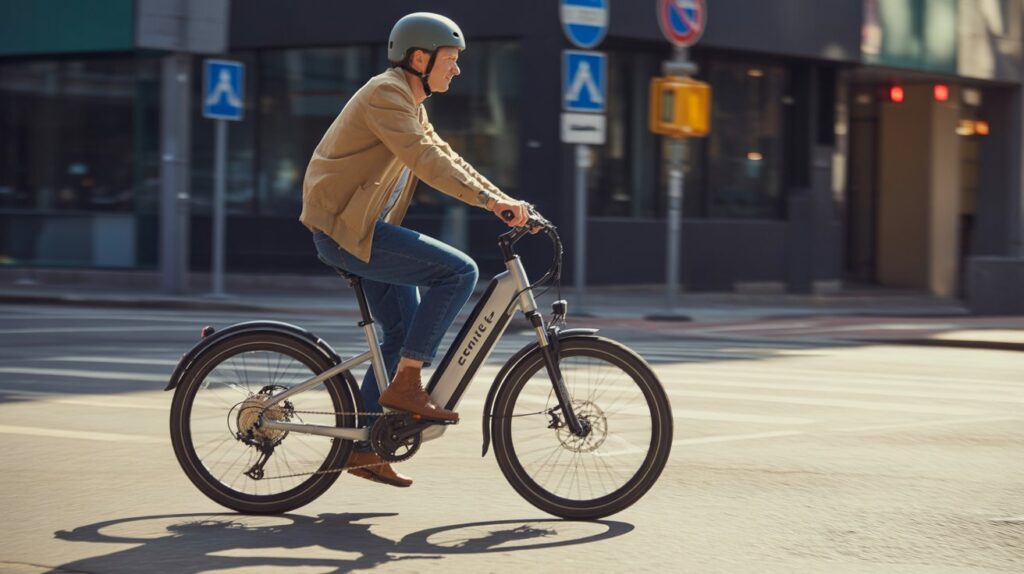
Here’s where many riders get confused. The federal government defines e-bikes as bicycles if their motor is under 750 watts (1 horsepower) and top speed is below 20 mph.
That means, under federal law, there’s no need for an electric bike license in the USA.
However, each state can set its own e-bike rules, just like it does for driver’s licenses or traffic laws. So while the federal law gives a general guideline, you still need to check your state’s Department of Motor Vehicles (DMV) or Department of Transportation (DOT) website for details.
States Where You Don’t Need a License
In most U.S. states—including California, Texas, Florida, and New York—you can ride a Class 1 or Class 2 e-bike without a driver’s license.
You can use bike lanes, cycle paths, and most public roads, as long as you follow traffic laws and wear a helmet (if required by age).
For these states, the electric bike license in the USA rule doesn’t apply. Your e-bike is treated just like a traditional bicycle.
States With Partial Licensing Rules
Some states, however, require extra steps.
For example:
- Alabama: A license is required for any motorized bike, including e-bikes.
- Alaska: Riders need a driver’s license, but not vehicle registration.
- North Carolina: E-bikes with throttles may fall under moped rules, which means you’ll need a license.
- New Mexico and Massachusetts: Some high-speed models require a license and insurance.
These variations show why understanding electric bike license in the USA laws is essential before buying or riding one.
Age Restrictions and Helmet Rules
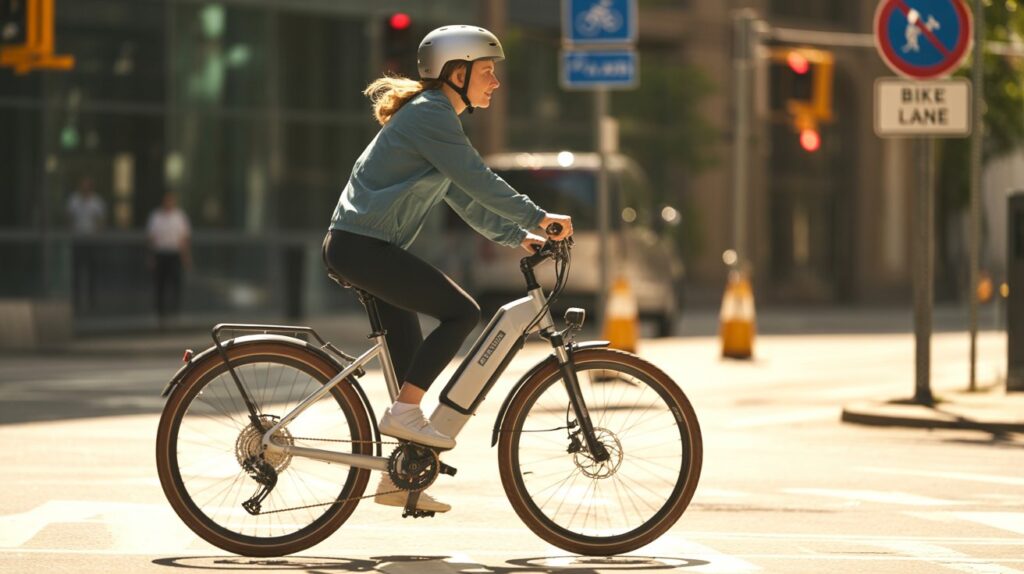
Even if your state doesn’t require a license, there might still be age and helmet rules.
For instance:
- Riders under 16 often can’t use Class 3 bikes.
- Many states require helmets for anyone under 18.
While these laws might sound strict, they’re meant to improve safety—especially for beginners still adjusting to higher e-bike speeds.
Why Licensing Laws Differ
The differences in electric bike license in the USA rules exist because states balance safety and accessibility differently.
Heavily populated areas might regulate e-bikes more tightly due to traffic and pedestrian safety concerns.
Rural states, on the other hand, often have looser laws because e-bikes are used for practical transportation over longer distances.
What Happens if You Ride Without a License
In states where licensing is required, riding without one can lead to fines or impoundment.
Even if the chances are small, it’s better to confirm your local rules before hitting the road.
Check your state’s DMV website or consult your local law enforcement office—especially if your e-bike exceeds 28 mph or has a powerful motor.
Tips for Riding Legally Anywhere
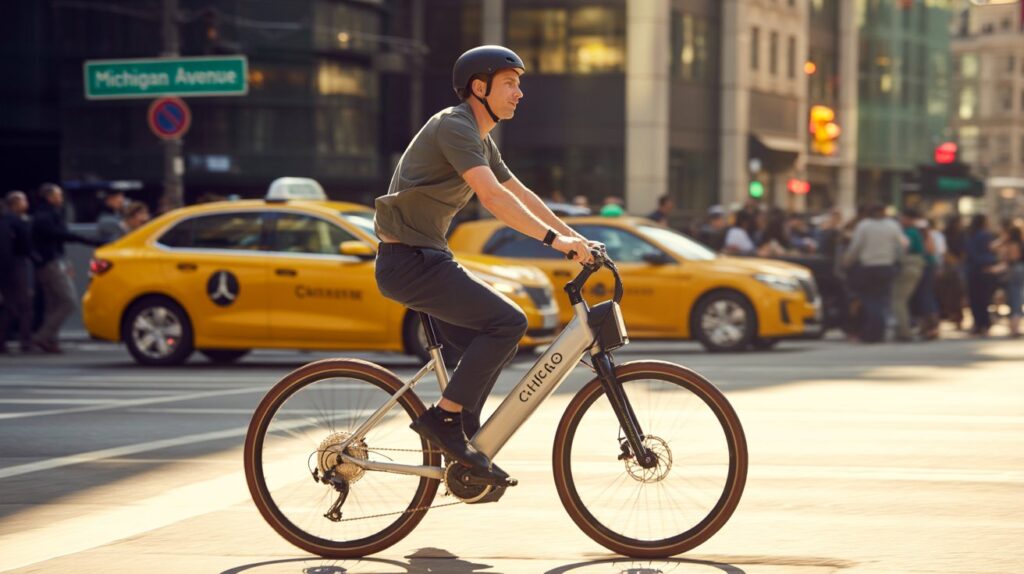
Here are a few quick steps to stay compliant no matter where you are:
- Identify your e-bike class (check the manufacturer label or manual).
- Verify local regulations on your state’s transportation website.
- Always wear a helmet if your bike can exceed 20 mph.
- Avoid modifying your e-bike to increase speed—it can change its legal status.
- Carry proof of purchase or registration (if your state requires it).
These small habits can save you from confusion about the electric bike license in the USA and keep your riding experience stress-free.
The Future of E-Bike Licensing
With the growing popularity of e-bikes, more states are updating their laws to reflect new technology.
Some are considering digital licensing systems or rider safety courses instead of full driver’s licenses.
In the coming years, expect to see more consistency in electric bike license in the USA rules as the market matures and safety infrastructure improves.
Final Thoughts
So, do you need a license to ride an e-bike in the USA?
For most people, no—especially if you’re riding a Class 1 or Class 2 model. But rules vary, and staying informed helps you avoid legal trouble.
As e-bikes continue to reshape personal transportation, understanding the laws around electric bike license in the USA isn’t just about compliance—it’s about safety, respect, and enjoying the freedom these bikes offer.
FAQs: Electric Bike License in the USA
Q1: Do I need a license to ride an electric bike in the USA?
A1: It depends on your state and e-bike class. Most Class 1 and 2 e-bikes don’t require a license, but some states require a license for higher-speed models or throttled e-bikes.
Q2: What are the different classes of e-bikes?
A2: There are three main classes:
- Class 1: Pedal-assist up to 20 mph
- Class 2: Throttle-assisted up to 20 mph
- Class 3: Pedal-assist up to 28 mph, often with age and helmet requirements
Q3: Are helmets required for e-bikes in the USA?
A3: Helmet laws vary by state. Most require helmets for riders under 18, and some require helmets for Class 3 bikes regardless of age.
Q4: Do I need insurance for my electric bike?
A4: Most states don’t require insurance for Class 1 and 2 e-bikes, but some states treat Class 3 or throttle-assisted bikes like mopeds, which may require insurance.
Q5: Where can I check the e-bike license rules for my state?
A5: The best source is your state’s Department of Motor Vehicles (DMV) or Department of Transportation (DOT) website.
Q6: What happens if I ride an e-bike without the required license?
A6: You may face fines or your e-bike could be impounded, depending on local laws. Always verify your state’s rules before riding.
For more detailed e-bike guides and updates, visit: ridethebikes.xyz