Why Urban Commuters Need Electric Bikes in 2025
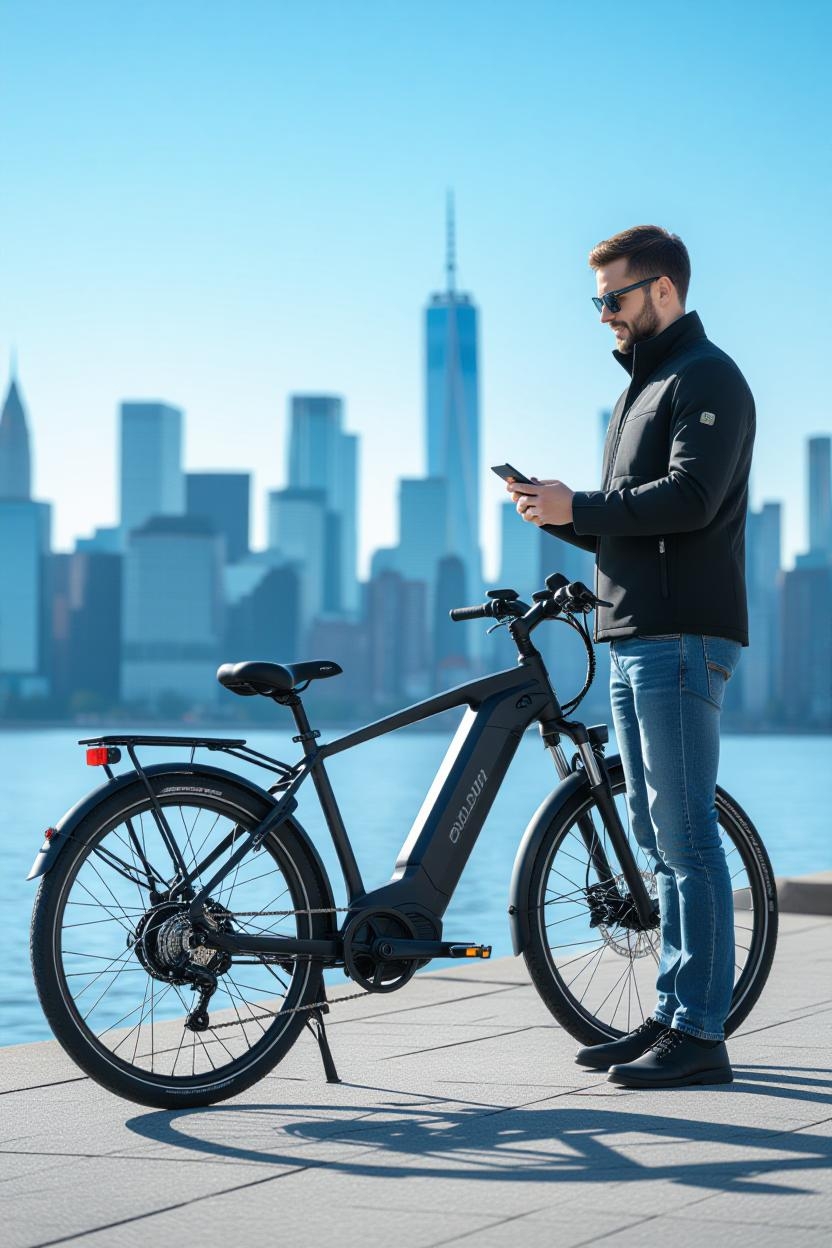
City living in 2025 has become faster and more crowded than ever. With traffic congestion, parking hassles, and rising fuel costs, electric bikes for urban commuters are no longer just an option—they’re a smart lifestyle choice. These e-bikes combine compact designs, long-range batteries, and technology like app integration, making city travel easier, faster, and more enjoyable.
For daily commuters, these bikes offer flexibility. You can zip past traffic jams, fold your bike to carry it on public transit, and save money on fuel and parking. Plus, they’re eco-friendly, reducing your carbon footprint while keeping you active.
What Makes a Great Electric Bike for City Commuters?
When choosing an electric bike for urban commuting, certain features matter more than others:
- Compact Design: Easy to store in apartments or offices.
- Long-Range Battery: Ensure you can cover daily commutes without worrying about charging.
- App Integration: Track speed, battery status, and even navigation via smartphone apps.
- Comfort & Suspension: Smooth rides on city roads, even with occasional potholes.
- Safety Features: Lights, reflectors, and strong braking systems.
A well-chosen urban e-bike balances performance, convenience, and style, giving commuters more freedom and less stress.
Top 10 Electric Bikes for Urban Commuters in 2025
| Model Name | Weight | Battery Range | Price | Key Features |
|---|---|---|---|---|
| Rad Power Bikes RadCity 5 Plus | 60 lbs | 45 miles | $1,699 | Foldable, integrated lights |
| Lectric XP 3.0 | 64 lbs | 50 miles | $1,099 | Lightweight, USB charger |
| Aventon Pace 500 | 55 lbs | 40 miles | $1,599 | Comfortable seat, pedal-assist |
| Brompton Electric | 38 lbs | 40 miles | $3,800 | Super compact, smartphone sync |
| GoCycle G4 | 36 lbs | 35 miles | $3,999 | Ultra-portable, innovative frame |
| Nakto City E-Bike | 58 lbs | 35 miles | $699 | Budget-friendly, rear rack |
| Juiced Bikes CrossCurrent S | 66 lbs | 60 miles | $1,999 | High power, app connectivity |
| Swagtron EB-12 | 52 lbs | 30 miles | $999 | Foldable, easy to carry |
| Rad Power Bikes RadMini 4 | 48 lbs | 45 miles | $1,299 | Compact design, city-friendly |
| Tern Vektron S10 | 55 lbs | 50 miles | $3,600 | Dual battery, premium quality |
These bikes are tested for city conditions: stop-and-go traffic, narrow lanes, and short bursts of acceleration. They offer the perfect balance between speed, comfort, and cost.
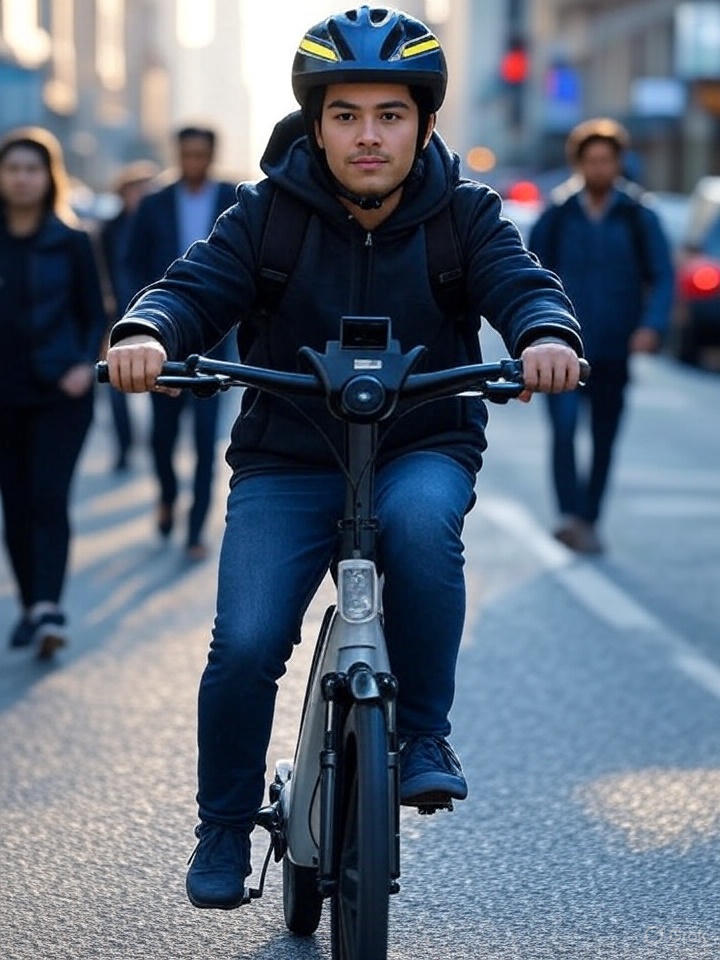
Real Problems Urban Riders Face and How E-Bikes Solve Them
1. Traffic Congestion
Cars are slow and stressful in cities. With an electric bike, riders can bypass traffic, use bike lanes, and save precious time during peak hours.
2. Limited Parking Space
Finding a parking spot is a daily headache. Folding or compact e-bikes can be stored inside offices, apartments, or even under desks.
3. Fuel and Maintenance Costs
Gas prices keep rising, and car maintenance is expensive. E-bikes run on electricity, costing pennies per charge and minimal maintenance.
4. Eco Concerns
City pollution is a growing problem. Switching to e-bikes reduces carbon emissions, contributing to cleaner air.
5. Fitness & Health
Urban commuters often have sedentary jobs. Pedal-assist modes allow for light exercise during the commute, keeping you active without extra gym time.
Benefits of Commuter E-Bikes
- Flexible Commutes: Combine biking with public transit seamlessly.
- Cost-Efficient: Save money on gas, parking, and ride-sharing.
- Eco-Friendly: Reduce pollution in congested city areas.
- Time-Saving: Faster than cars during peak traffic hours.
- Healthier Lifestyle: Pedal-assist keeps you moving daily.
How to Choose the Right Urban Electric Bike
- Battery Life: Ensure at least 35–50 miles per charge.
- Weight: Lightweight bikes are easier to carry and store.
- Folding Mechanism: If space is limited, foldable designs are essential.
- Motor Power: A 350–500W motor is ideal for city hills and traffic stops.
- Features: Look for lights, racks, app connectivity, and comfort adjustments.
- Budget: Determine your budget, but don’t compromise on safety or battery life.
Real Stories from City Riders
Sara, a New York office worker, switched to a RadCity 5 Plus. She now saves 45 minutes each morning, reduces her monthly commute costs by over $200, and enjoys stress-free rides.
Bilal, a university student in San Francisco, uses the Lectric XP 3.0 to commute 10 miles daily. The foldable design lets him store the bike in his dorm room, avoiding theft concerns.
Frequently Asked Questions (FAQs)
Q1: Are commuter e-bikes safe for city roads?
Yes, top models include lights, reflectors, and reliable brakes. Follow traffic rules, and you’ll be safe.
Q2: Can I take my e-bike on public transit?
Most foldable or compact e-bikes fit in buses or subways, making multi-modal commuting seamless.
Q3: How long does it take to charge these bikes?
Charging typically takes 4–6 hours, depending on battery capacity.
Q4: Do I need a license for urban e-bikes?
In most US cities, Class 1 and Class 2 e-bikes are street-legal without a license. Always check local regulations.
Q5: Are these bikes suitable for hills?
Yes, bikes with 350–500W motors handle city inclines comfortably, especially with pedal-assist.
Riders wanting to explore budget-friendly electric bikes for city commuting can refer to our earlier guide on Top 15 Electric Bikes Under $1500 to compare options and pricing.
In 2025, electric bikes for urban commuters are more practical, stylish, and necessary than ever. They solve city problems: traffic, parking, fuel costs, and pollution. With compact designs, long-range batteries, and app integration, these bikes offer comfort, convenience, and freedom.
Switching to a commuter e-bike isn’t just a mode of transport—it’s a lifestyle upgrade. Fast, eco-friendly, affordable, and safe, these bikes let urban residents reclaim their time, health, and money.