Why Waterproofing Your E-Bike Is a Must
Think of your e-bike like a laptop on wheels. It’s powerful, smart, and full of electronics. Now imagine taking that laptop out in the rain without a bag. Not a good idea, right? That’s why learning how to Waterproof Your E-Bike is not optional—it’s essential.
Rain, puddles, and even a quick hose-down can sneak water into the motor, battery, or display. And once moisture gets inside, problems like short circuits, rust, and reduced battery life follow. The good news? With the right care, you can ride confidently even when the skies open up.
The Right Way to Waterproof Your E-Bike
To Waterproof Your E-Bike, start with the basics. These are like rain boots and an umbrella for your bike:
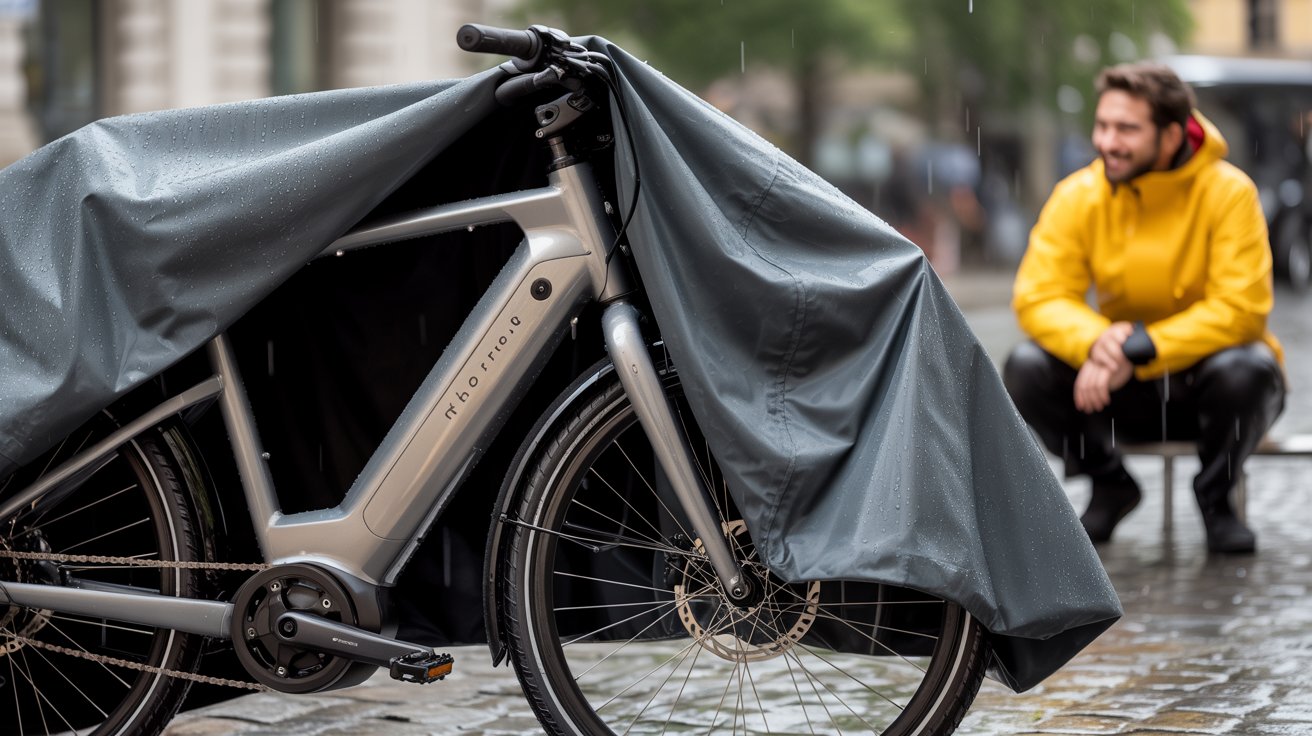
- Protective Covers – Invest in a waterproof e-bike cover for parking outdoors. A simple $20 cover can save you a $600 battery.
- Seal Connectors and Plugs – Apply dielectric grease on every plug, connector, and charging port. It keeps out water and prevents corrosion.
- Waterproof Sprays – Products like WD-40 Specialist or Muc-Off MO-94 coat metal parts and create a barrier against moisture.
- Smart Storage – If you live in a rainy city, don’t leave your e-bike exposed. A garage, shed, or even a heavy-duty tarp makes a big difference.
Every little step adds up. Think of it as layering—like a rain jacket, sweater, and base layer combined to Waterproof Your E-Bike.
Transporting an E-Bike in the Rain Without Damage
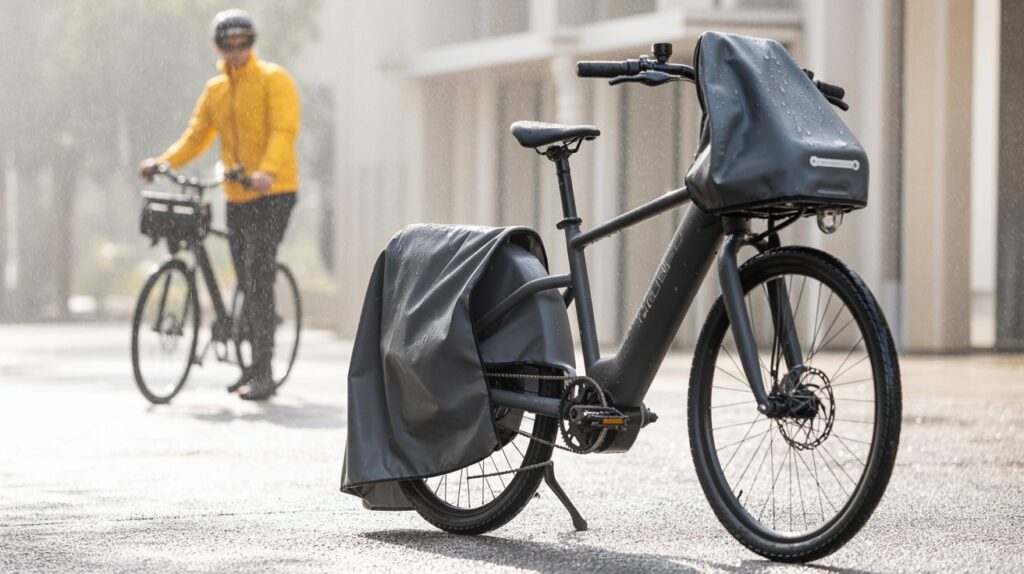
Transport is where many riders go wrong. Driving at 60 mph in rain pushes water into your e-bike like a pressure washer. To Waterproof Your E-Bike during transport:
- Use a specialized bike rack cover. Brands like TeamObsidian or BikeShield make covers that shield the whole bike.
- Always remove the battery and display. These are the most delicate parts.
- After transport, wipe down the bike before storage—don’t let water sit on metal bolts or connectors.
Think of this step as giving your bike a raincoat before a road trip
Keeping Your E-Bike Motor Safe From Rain
The motor is your bike’s heart, and while it’s built tough, it’s not invincible. To Waterproof Your E-Bike motor:
- Trust the casing but don’t push it. Mid-drive motors (Bosch, Shimano) and hub motors are splash-resistant, not submersible.
- Seal entry points with silicone where cables enter.
- Avoid puddles deeper than your pedals. That’s where water seeps into the motor housing.
- Dry after rides. Don’t just park the bike wet; wipe the motor and chain clean.
If you wouldn’t walk into knee-deep water with your phone in your pocket, don’t do it with your e-bike either.
Are Specialized, Trek, or Giant E-Bikes Truly Waterproof?
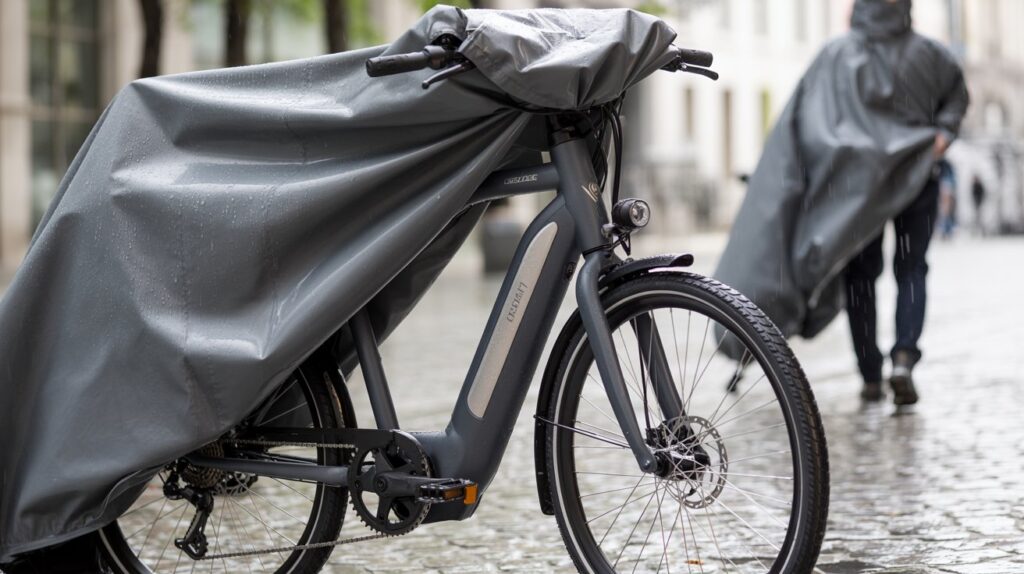
Here’s the truth: even premium brands like Specialized, Trek, and Giant don’t sell waterproof bikes. What they promise is IP-rated water resistance. That means:
- Riding in drizzle? Safe.
- Riding in a thunderstorm? Risky.
- Dropping your bike in a stream? Forget it.
Even if you own a high-end model, you still need to Waterproof Your E-Bike on your own. Manufacturers build them for average weather, not extreme conditions
Riding in Heavy Rain: How Safe Is Your E-Bike?
You can ride in heavy rain, but you need to be smart about it. Before trying to Waterproof Your E-Bike for storm rides, ask yourself:
- Will visibility be safe? Cars see less in heavy rain.
- Is the road slippery? E-bikes are heavier than normal bikes; stopping distance increases.
- Can the electronics handle it? Light rain, yes. Torrential downpour, no.
If rain is soaking through your clothes instantly, it’s also overwhelming your bike’s protections. Sometimes the safest way to Waterproof Your E-Bike is simply not riding until it clears.
The Most Waterproof eMTB Bikes You Can Buy
Some electric mountain bikes go further. Look for models with higher IP ratings:
- IP65 or higher protects against strong water jets.
- IP67 can handle brief immersion.
- Brands like Riese & Müller, Haibike, and Bulls often design tougher casings.
Still, don’t confuse “resistant” with “proof.” Even these need you to Waterproof Your E-Bike with extra care, especially if you ride muddy trails or cross streams.
DIY Tricks to Waterproof Your E-Bike Like a Pro
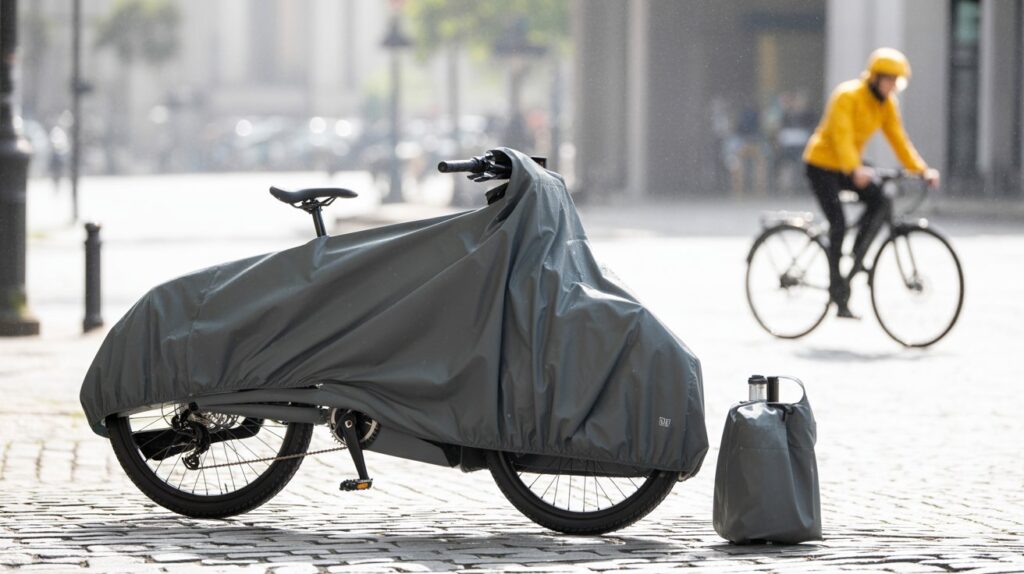
Here’s where you can take control and Waterproof Your E-Bike at home:
- Dielectric Grease – A small tube costs under $10 but saves you hundreds in repairs.
- Silicone Sealant – Use it on battery covers, cable entry points, and around display mounts.
- Rust-Proof Sprays – Prevent bolts, screws, and chains from seizing up.
- Storage Hacks – Keep silica gel packets near your bike in storage; they absorb moisture like a sponge.
This is your DIY toolkit—cheap, effective, and long-lasting.
Do Fully Waterproof E-Bikes Exist—or Just Water-Resistant Ones?
Quick answer: No e-bike is fully waterproof. They’re all water-resistant to varying degrees. Manufacturers design them to survive rain, not swimming pools. That’s why riders who know how to Waterproof Your E-Bike enjoy longer lifespans and fewer breakdowns.
Can E-Bike Batteries Really Handle Getting Wet?
This is the number one fear. Can the battery get wet?
- Yes, lightly. Most are sealed to handle splashes.
- No, heavily. If water penetrates, you risk shorts and fire.
- Best practices:
- Always remove the battery before washing or transporting in rain.
- Wipe dry after exposure.
- Never charge a damp battery.
The golden rule: to Waterproof Your E-Bike, start with the battery. Protect it, and you’ve protected 70% of your investment
Final Thoughts: Smart Ways to Waterproof Your E-Bike
Your e-bike doesn’t need to fear rain, but it does need smart care. To Waterproof Your E-Bike properly:
- Use covers and sealants.
- Keep the motor and battery dry.
- Transport with protection.
- Respect the limits—water-resistant is not waterproof.
Treat your e-bike like a trusted gadget. Protect it from water today, and it will reward you with years of reliable rides tomorrow.
FAQs
Q1: What is the most common issue with e-bike battery chargers?
The most common issue riders face is the charger not lighting up or failing to start charging. This usually points to a faulty cable, loose connection, or blown fuse.
Q2: How long does an e-bike charger usually last?
On average, a good-quality charger lasts 2–4 years with proper use. Overheating, dust, or plugging it into unstable power sources can shorten its lifespan.
Q3: Can I use a different brand’s charger for my e-bike?
It’s not recommended. Using the wrong charger can damage your battery. Always check the voltage and compatibility before plugging in another charger.
Q4: Why does my charger get hot when charging?
A slight warmth is normal, but if it gets too hot to touch, it may be overworked or nearing failure. Make sure it’s on a flat, ventilated surface during charging.
Q5: How can I maintain my e-bike charger for longer life?
Keep it clean, avoid bending the cables, store it in a dry place, and unplug it after charging is complete. These small steps extend its life
👉 If you still have questions or want deeper guides on e-bike chargers and maintenance, visit my website RideTheBikes.xyz for detailed articles and expert tips.